Canine CDV Antigen Rapid Test: A Diagnostic Breakthrough in Veterinary Medicine

The Canine CDV (Canine Distemper Virus) Antigen Rapid Test is a crucial diagnostic tool used in veterinary practices to detect the presence of CDV antigens in canine samples. CDV, a highly contagious viral infection affecting dogs and other carnivorous animals, can cause severe symptoms that affect multiple organ systems. Early detection of the virus is paramount in preventing the spread of the disease and in implementing effective treatment plans.

What is Canine Distemper Virus (CDV)?

Canine Distemper Virus (CDV) is a member of the Paramyxoviridae family, which is known for causing highly contagious infections in various mammalian species. The virus primarily affects dogs but can also infect wildlife species such as foxes, wolves, and ferrets. It is transmitted primarily through respiratory droplets, though it can also spread through bodily fluids such as urine and feces.

The virus targets the respiratory, gastrointestinal, and nervous systems of infected animals, often leading to severe illness. Symptoms of CDV infection include fever, coughing, nasal discharge, diarrhea, seizures, and in severe cases, neurological damage such as tremors, paralysis, and even death. Infected animals are highly contagious, and controlling the spread of CDV in animal populations is crucial. Timely diagnosis can help prevent outbreaks in shelters, veterinary clinics, and breeding facilities (source).
The Role of the Canine CDV Antigen Rapid Test

The Canine CDV Antigen Rapid Test is an immunoassay designed for the fast and reliable detection of CDV antigens in a dog’s body. This diagnostic tool detects the presence of the virus by identifying specific antigens associated with CDV. Rapid testing is crucial for veterinarians to make quick decisions on treatment and isolate affected animals before they spread the infection.

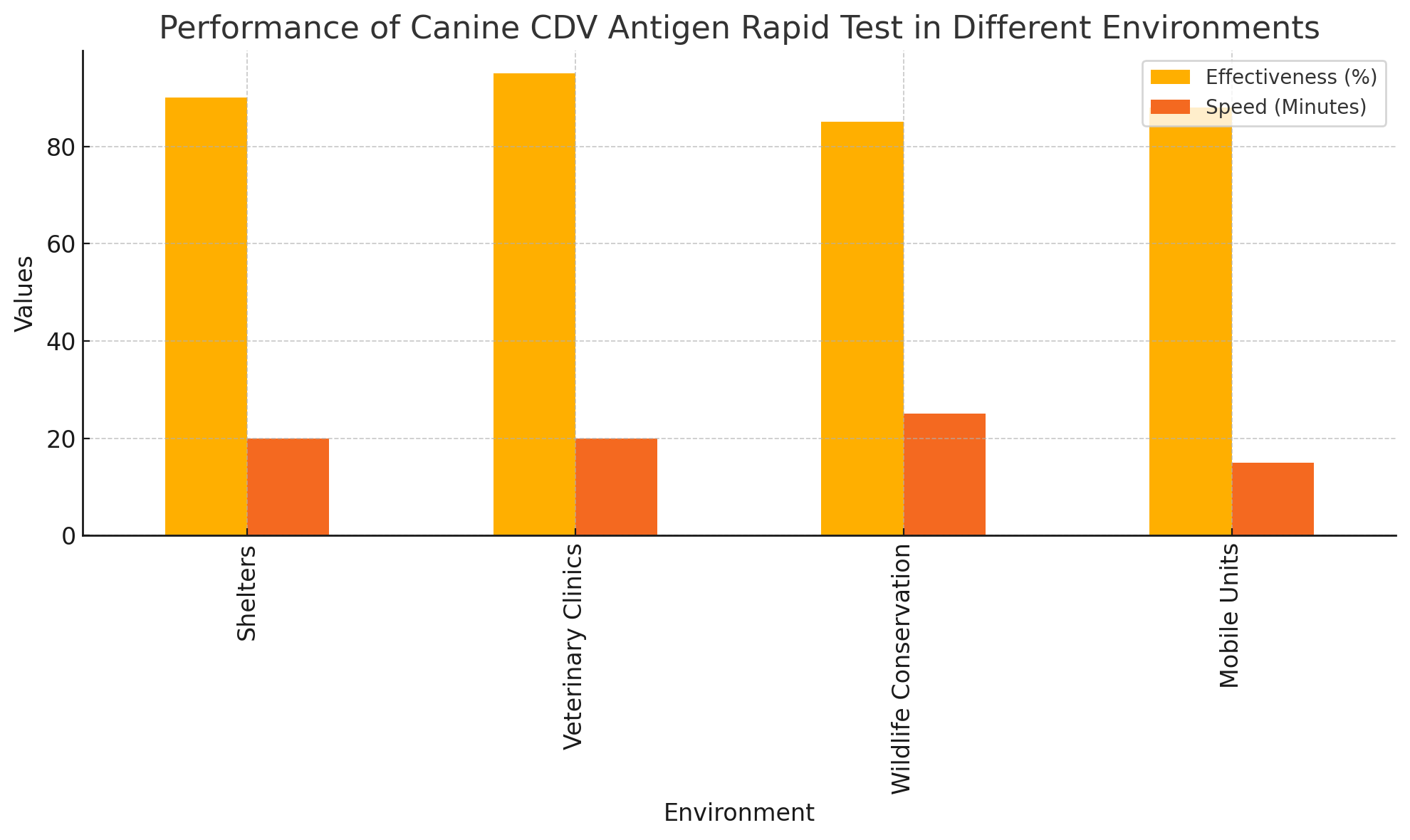
The antigen test is particularly useful in environments where outbreaks may occur, such as animal shelters, dog breeding facilities, and wildlife rescue centers. Unlike traditional PCR tests, which can take several hours or days for results, antigen tests provide rapid results in as little as 15 to 20 minutes, enabling veterinarians to take immediate action.

How the Canine CDV Antigen Rapid Test Works

The rapid test functions based on immunoassay technology, specifically designed to detect viral antigens present in the dog’s sample. When a sample is collected from an infected dog—typically from nasal or throat swabs, saliva, or even urine—it is introduced to a test device containing antibodies that specifically bind to the CDV antigens.

If the CDV antigen is present in the sample, the antibodies will bind to it, triggering a color change or another visible signal indicating the presence of the virus. These results can be interpreted quickly by veterinary professionals, facilitating swift decisions regarding diagnosis and quarantine protocols.

The scientific principles behind immunoassays are well-understood and have been widely used in medical diagnostics, including human and veterinary medicine. Research from the University of California emphasizes the importance of antigen tests for rapid diagnostics in veterinary clinics.

Key Advantages of the Canine CDV Antigen Rapid Test

  1. Speed and Efficiency: The primary benefit of the CDV Antigen Rapid Test is its ability to provide results quickly—within 15 to 20 minutes. This rapid turnaround is vital in clinical settings, where time-sensitive decisions must be made to prevent outbreaks and to treat infected animals promptly.

  2. Accuracy and Reliability: Studies comparing the rapid antigen test to PCR-based tests show that antigen tests offer high sensitivity and specificity for detecting CDV in infected animals. A study published by the Centers for Disease Control and Prevention (CDC) supports the effectiveness of immunoassays for detecting canine viral infections, noting their ability to produce reliable results when performed correctly.

  3. User-Friendly: One of the standout features of the CDV Antigen Rapid Test is its ease of use. No specialized laboratory equipment or training is required, making it an ideal option for veterinary clinics, shelters, and fieldwork.

  4. Cost-Effective: Compared to PCR tests, which can be expensive and require specialized equipment, the rapid antigen test is more affordable, making it accessible for routine use in both low- and high-budget veterinary settings.

  5. Non-invasive: The antigen test only requires a small sample—often collected using a swab—which minimizes stress and discomfort for the animal, making it ideal for pets that are anxious or difficult to handle.
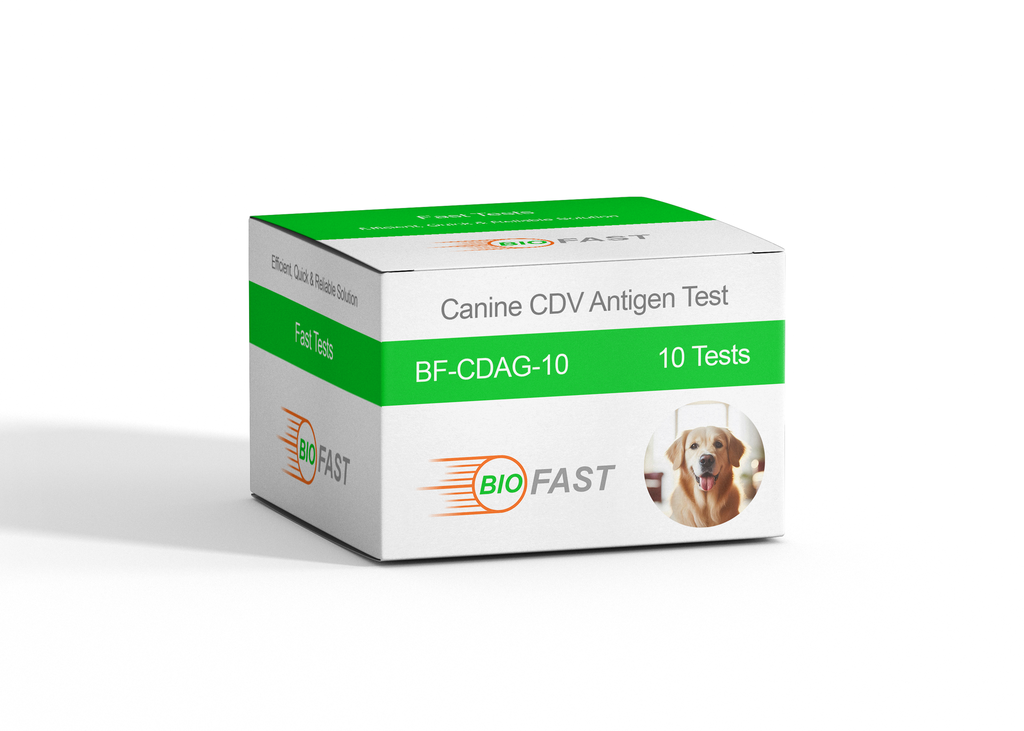
Canine CDV Antigen Rapid Test

Applications of the Canine CDV Antigen Rapid Test in Veterinary Medicine

The Canine CDV Antigen Rapid Test is widely used in clinical and research settings to detect CDV infections and manage outbreaks. Here are some of the most common applications:

1. Routine Screening in Shelters and Rescue Centers

In animal shelters and rescue organizations, the risk of disease outbreaks is high due to the close quarters in which animals are housed. The CDV Antigen Rapid Test is a useful tool for screening new arrivals and identifying infected dogs before they have a chance to spread the virus to other animals.

According to research conducted at the University of Wisconsin, using rapid diagnostic tools like the CDV Antigen Rapid Test can significantly reduce the transmission of viral diseases in high-density animal populations.

2. Field Diagnosis in Veterinary Clinics

In veterinary clinics, time is often of the essence, especially when dealing with suspected infectious diseases. The rapid test allows veterinarians to quickly diagnose CDV, helping them to isolate infected animals and begin treatment promptly.

The U.S. Department of Agriculture (USDA) has developed guidelines for field diagnostics that recommend the use of rapid tests for the early detection of infectious diseases like CDV.

3. Wildlife and Conservation Medicine

Veterinarians working in wildlife conservation are increasingly using rapid tests to monitor the health of endangered species. CDV poses a significant risk to wild populations of canids, such as wolves and foxes. Rapid diagnostic tests are crucial in managing disease outbreaks and ensuring the survival of these species.

Research conducted by the Wildlife Health Lab at the University of California has shown that rapid testing can help mitigate the spread of CDV in endangered wildlife populations.

Limitations and Challenges

While the CDV Antigen Rapid Test offers many benefits, it is important to note that no diagnostic test is without its limitations. One of the main challenges is the possibility of false negatives. This can occur if the viral load in the sample is too low to be detected by the antigen test. In such cases, a follow-up PCR test may be needed to confirm the diagnosis.

Another limitation is that the rapid test does not differentiate between active infections and previous exposure. While a positive result indicates the presence of the virus, it does not indicate whether the infection is ongoing or has already resolved. This is a critical factor when interpreting test results.

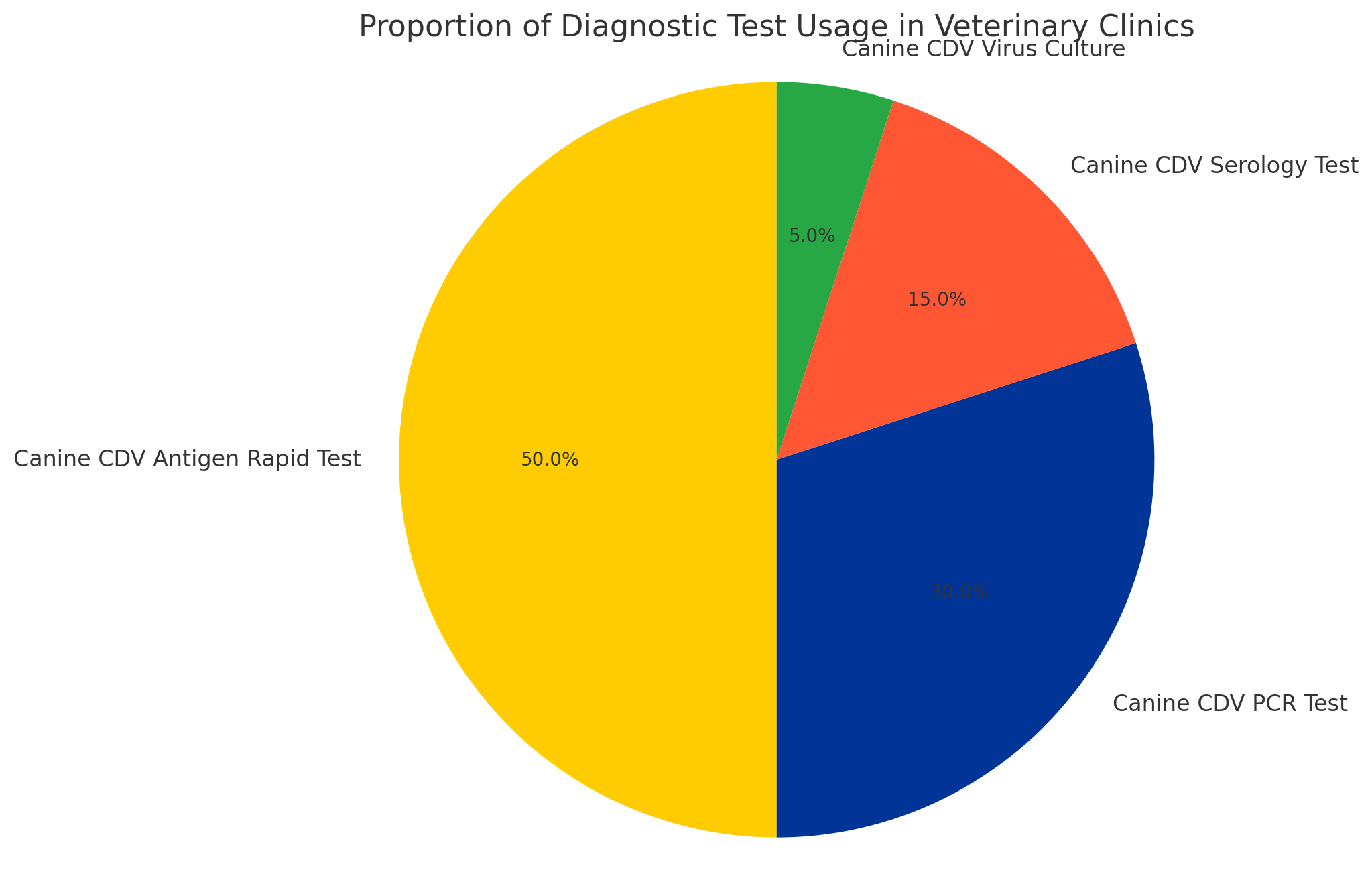
Veterinarians often use a combination of diagnostic tools, including PCR, serology, and clinical examination, to obtain a comprehensive diagnosis. As outlined in studies by the National Veterinary Services Laboratory, a multi-modal diagnostic approach is essential for accurate disease surveillance.
Conclusion: The Future of Canine CDV Diagnostics

The Canine CDV Antigen Rapid Test represents a major advancement in veterinary diagnostics, offering a fast, cost-effective, and reliable method for detecting CDV in canine populations. As veterinary practices continue to rely on rapid testing for more effective disease management, tools like the CDV Antigen Rapid Test are becoming indispensable in routine and emergency clinical care.

Looking ahead, the development of even more sensitive and specific diagnostic tools, as well as the integration of rapid tests into mobile veterinary care units, will further improve the ability of veterinarians to detect and control CDV outbreaks in both domestic and wild dog populations.

Veterinary professionals, researchers, and animal health organizations can look forward to continued advancements in diagnostic technology, ensuring that dogs and other animals can receive the best possible care. For further information on CDV and veterinary diagnostics, visit resources such as PubMed, NIH, and the CDC.
Heat Shock Transcription Factor 1 (HSF1): An Essential Player in Stress Response and Cellular Homeostasis

Introduction to Heat Shock Transcription Factor 1 (HSF1)

Heat Shock Transcription Factor 1 (HSF1) is a highly conserved transcription factor that plays an essential role in regulating cellular responses to stress. It is part of the heat shock response (HSR), a critical mechanism that cells utilize to cope with a range of stressors, such as heat, oxidative damage, and toxic environmental conditions. The primary function of HSF1 is to activate the expression of heat shock proteins (HSPs), which serve as molecular chaperones responsible for maintaining protein homeostasis, folding newly synthesized proteins, refolding misfolded proteins, and preventing protein aggregation.

The role of HSF1 in cellular stress responses is central to various biological processes, from protecting cells against damage to regulating aging and disease states. The study of HSF1 has gained significant attention due to its involvement in cancer, neurodegenerative diseases, aging, and protein misfolding disorders. In this article, we will explore the molecular mechanisms of HSF1 activation, its regulatory pathways, its involvement in disease, and its therapeutic potential.

The Molecular Mechanisms of HSF1 Activation

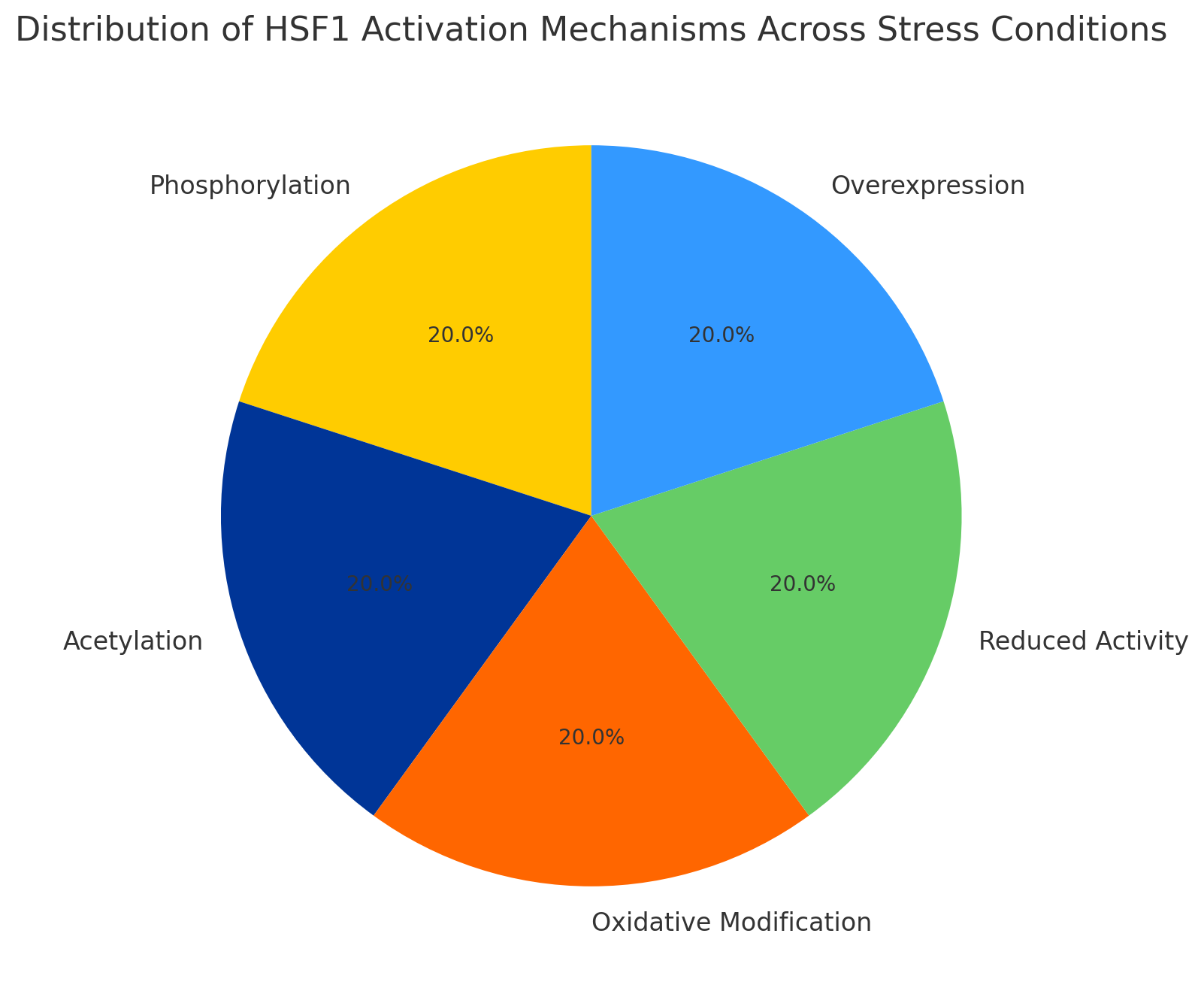
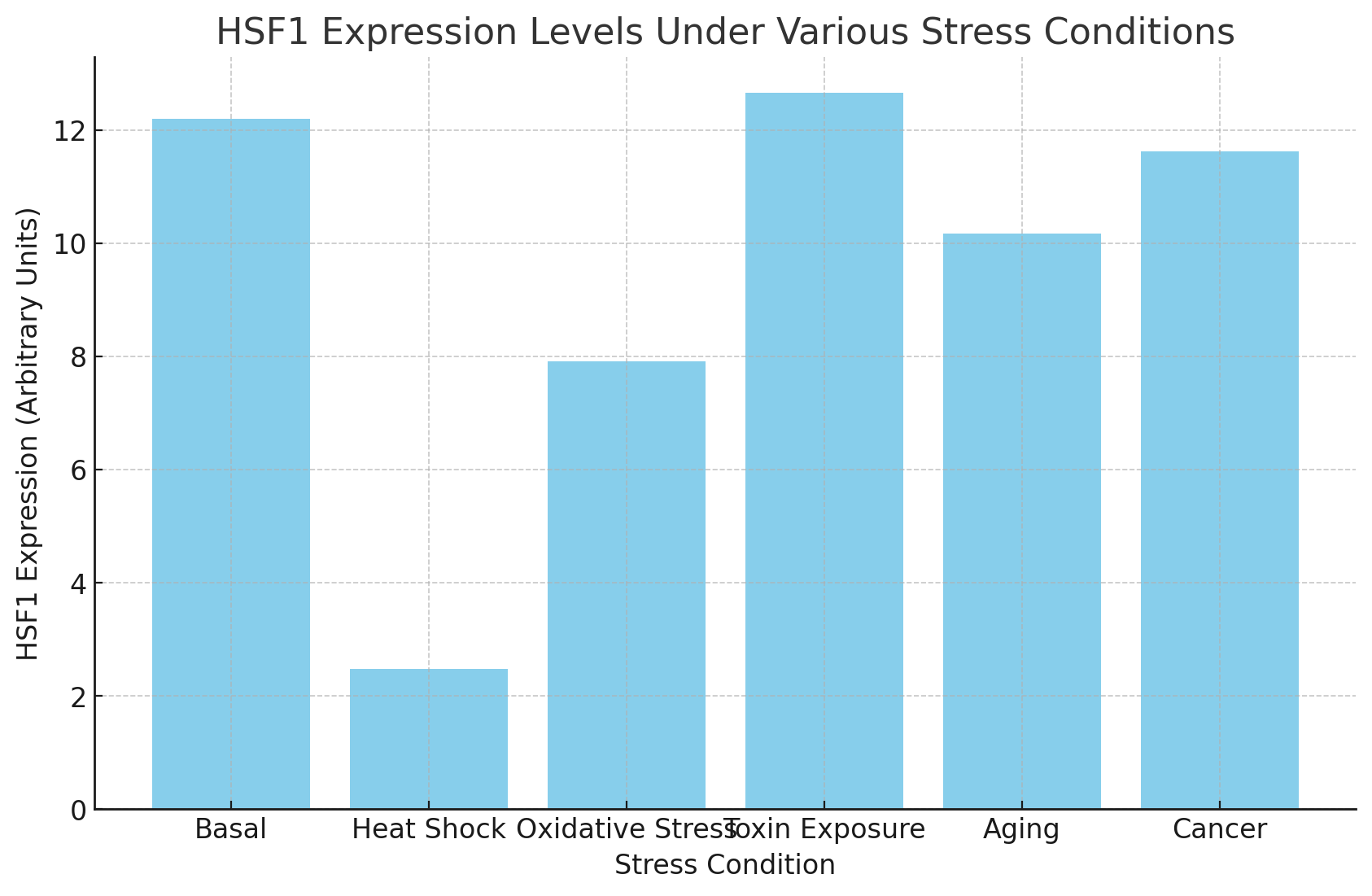
HSF1 activation is a highly regulated process that begins when cells experience various stressors. Under normal conditions, HSF1 remains in an inactive state in the cytoplasm, often bound to molecular chaperones like HSP90, which prevent its activation. Upon exposure to stress, HSF1 undergoes post-translational modifications, including phosphorylation, acetylation, and oxidation. These modifications lead to the dissociation of HSP90 and the activation of HSF1.

  1. Phosphorylation: The phosphorylation of HSF1 is one of the primary events that activate the transcription factor. Various kinases, such as MAPK and CDK, phosphorylate specific residues on HSF1, allowing it to undergo a conformational change. This change promotes the trimerization of HSF1, a necessary step for its DNA-binding activity.

  2. Acetylation: Acetylation is another key modification that modulates HSF1 activity. Acetylation typically occurs at specific lysine residues in HSF1. This modification is important for the stability of HSF1 in the nucleus and its ability to bind to DNA.

  3. Oxidative Modifications: Under oxidative stress conditions, HSF1 can undergo oxidation. Reactive oxygen species (ROS) trigger the oxidation of cysteine residues in HSF1, which can enhance its transcriptional activity. This modification helps HSF1 respond to cellular damage caused by ROS.

Once activated, HSF1 translocates to the nucleus and binds to Heat Shock Elements (HSEs) present in the promoter regions of target genes, particularly those that encode heat shock proteins (HSPs). By initiating the transcription of these genes, HSF1 facilitates the synthesis of molecular chaperones, which help maintain protein homeostasis and protect cells from stress-induced damage.

Research from Harvard University and Stanford University continues to provide detailed insights into the post-translational modifications that regulate HSF1 activation and its functional outcomes in various cellular contexts.

HSF1 in Protein Homeostasis and Quality Control

Protein homeostasis, also known as proteostasis, is the process by which cells maintain the proper folding, function, and degradation of proteins. HSF1 plays a crucial role in proteostasis by controlling the expression of heat shock proteins (HSPs), such as HSP70, HSP90, and HSP60. These chaperones assist in the proper folding of newly synthesized proteins, the refolding of misfolded proteins, and the prevention of protein aggregation. In cases where proteins cannot be refolded, HSF1 helps promote their degradation through mechanisms like the ubiquitin-proteasome system or autophagy.

As cells experience stress, the accumulation of misfolded proteins can occur, leading to cellular damage and disease. This is especially true in neurodegenerative disorders like Alzheimer’s disease, Parkinson’s disease, and Huntington’s disease, where protein aggregation plays a pivotal role in the pathology of these diseases. HSF1 helps to alleviate the detrimental effects of protein misfolding by enhancing the expression of chaperones and promoting the degradation of damaged proteins.

Studies from the National Institute of Aging (NIA) highlight the role of HSF1 in aging and its potential to combat age-related diseases caused by protein aggregation. As individuals age, the efficiency of the cellular stress response declines, which can lead to the accumulation of misfolded proteins and cellular dysfunction. Restoring or enhancing HSF1 activity may offer therapeutic strategies to mitigate the effects of aging and prevent age-related diseases.

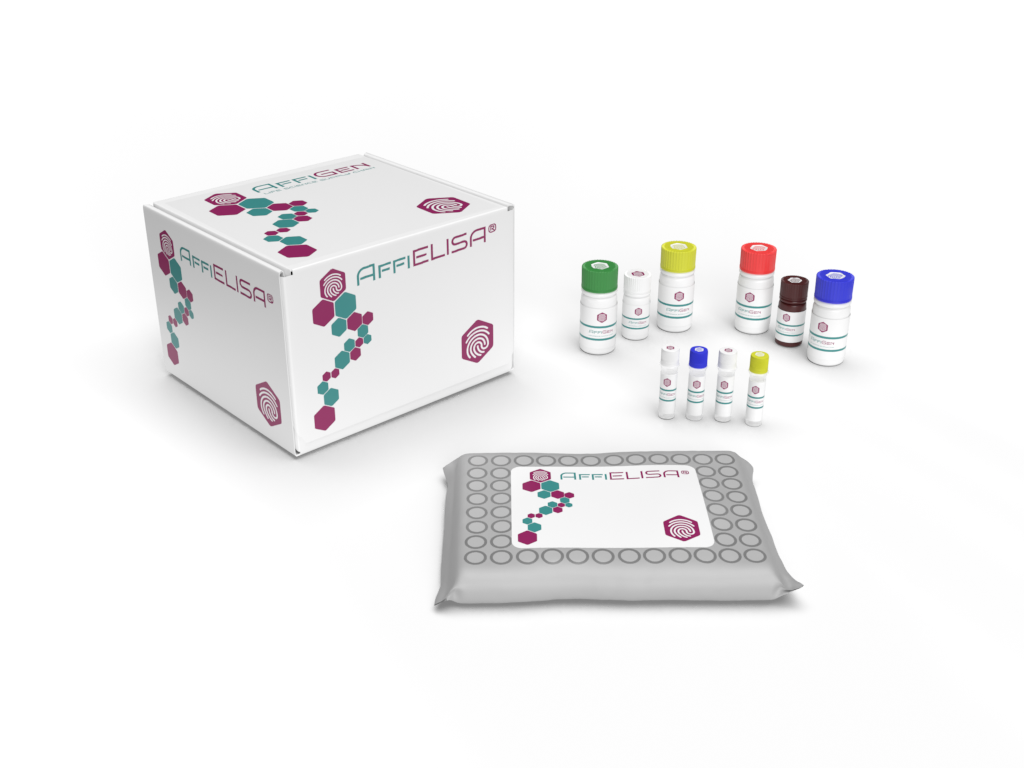
AffiELISA® Porcine Heat Shock Transcription Factor 1 | HSF1 | ELISA Kit

HSF1 in Cancer: A Double-Edged Sword

HSF1’s role in cancer biology is complex and multifaceted. On the one hand, HSF1 helps protect cells from stress-induced damage, which is crucial for tumor survival. Cancer cells often encounter harsh conditions, including low oxygen (hypoxia), nutrient deprivation, and exposure to chemotherapy or radiation therapy. In these conditions, the overexpression of HSF1 enhances the ability of cancer cells to survive by promoting the expression of heat shock proteins, which protect against cellular damage.

On the other hand, high levels of HSF1 activity can also contribute to tumor progression. By promoting cellular survival under stress, HSF1 enables cancer cells to resist treatment and continue proliferating. This has led to the hypothesis that targeting HSF1 in cancer therapy could sensitize tumor cells to treatment by disrupting their ability to cope with stress. The National Cancer Institute (NCI) has published studies showing that inhibiting HSF1 in combination with chemotherapy could improve treatment outcomes by reducing the survival of cancer cells.

Recent research has focused on developing small molecules that either activate or inhibit HSF1, depending on the disease context. In cancer, inhibitors of HSF1 could prevent tumor cells from adapting to stress, while in neurodegenerative diseases, activators of HSF1 could enhance protein clearance and promote cellular repair mechanisms.

HSF1 in Neurodegenerative Diseases

Neurodegenerative diseases are characterized by the accumulation of misfolded proteins, which form aggregates that disrupt neuronal function. These protein aggregates are a hallmark feature of diseases such as Alzheimer’s, Parkinson’s, and Huntington’s disease. HSF1 plays a protective role in neurons by promoting the clearance of misfolded proteins and preventing protein aggregation.

Research has shown that boosting HSF1 activity can help alleviate the symptoms of neurodegenerative diseases. For example, in animal models of Alzheimer’s disease, increasing HSF1 expression led to the clearance of amyloid-beta plaques, which are toxic protein aggregates. The National Institute of Neurological Disorders and Stroke (NINDS) continues to investigate the potential of HSF1-based therapies for treating neurodegenerative diseases by enhancing proteostasis and preventing protein aggregation.

Therapeutic Potential of Modulating HSF1 Activity

Given its central role in cellular stress responses, HSF1 is a promising target for therapeutic intervention. The potential to modulate HSF1 activity could have broad applications in the treatment of various diseases, including cancer, neurodegenerative diseases, and age-related conditions. Researchers are exploring several strategies to modulate HSF1 activity:

  • Activating HSF1: In diseases like Alzheimer’s and Parkinson’s, where protein misfolding and aggregation are key pathological features, activating HSF1 could enhance the cellular stress response and promote the clearance of toxic protein aggregates. Small molecules or peptides that activate HSF1 could serve as potential therapeutic agents in these contexts.

  • Inhibiting HSF1: In cancer, inhibiting HSF1 could reduce the ability of tumor cells to survive under stressful conditions, such as chemotherapy or radiation. Targeting HSF1 with small molecule inhibitors could enhance the efficacy of cancer therapies and improve treatment outcomes.

Research from institutions like MIT and University of California is exploring small molecules and pharmacological agents that can either activate or inhibit HSF1, offering new therapeutic opportunities in a variety of disease contexts.

Conclusion

Heat Shock Transcription Factor 1 (HSF1) is a critical regulator of cellular stress responses and protein homeostasis. By controlling the expression of heat shock proteins, HSF1 helps protect cells from stress-induced damage and maintains cellular integrity under adverse conditions. Its role in cancer, neurodegenerative diseases, aging, and immune responses underscores its importance in health and disease.

The therapeutic potential of modulating HSF1 activity offers exciting opportunities for treating a range of diseases. Ongoing research from academic institutions and government agencies such as the NIH and FDA continues to shed light on the molecular mechanisms of HSF1 activation and its implications for disease treatment. As our understanding of HSF1 deepens, it holds the promise of becoming a powerful tool for developing novel therapies aimed at combating a wide range of diseases.

VAHTS Universal Plus DNA Library Prep Kit for Illumina: An In-Depth Guide

The VAHTS Universal Plus DNA Library Prep Kit for Illumina is an advanced, highly efficient solution for preparing DNA libraries, designed to meet the demands of high-throughput sequencing applications. Whether you’re engaged in genomic sequencing, metagenomics, or targeted sequencing, this kit offers versatility and reliability across a wide range of research applications.

Key Benefits of VAHTS Universal Plus DNA Library Prep Kit

The VAHTS Universal Plus DNA Library Prep Kit is optimized for Illumina sequencing platforms and offers several key advantages that make it a popular choice for researchers worldwide:

  • High Efficiency and Yield: The kit’s proprietary chemistry ensures that DNA libraries are prepared quickly and with high efficiency, even from challenging samples. It minimizes the number of steps required, leading to higher yields and better quality libraries (NCBI).

  • Minimized DNA Input: One of the primary benefits of the VAHTS Universal Plus DNA Library Prep Kit is its ability to work with low-input DNA. This is particularly useful in clinical settings, where sample availability is often limited, such as in liquid biopsy or ancient DNA studies (UCLA).

  • Optimized for Illumina Sequencing: The kit is specifically designed for use with Illumina sequencing technologies such as NovaSeq, NextSeq, and MiSeq. The kit’s protocols are optimized to work seamlessly with these systems, ensuring high-quality and reliable results (Illumina).

  • Broad Application Scope: The VAHTS kit is versatile enough to be used across a wide variety of sequencing applications, from whole genome sequencing (WGS) to targeted sequencing and metagenomics (NIH).

Detailed Steps for DNA Library Preparation

The VAHTS Universal Plus DNA Library Prep Kit simplifies the DNA library preparation process, which can otherwise be time-consuming and error-prone. The process is broken down into several steps, all of which are designed to improve accuracy and efficiency.

1. DNA Fragmentation

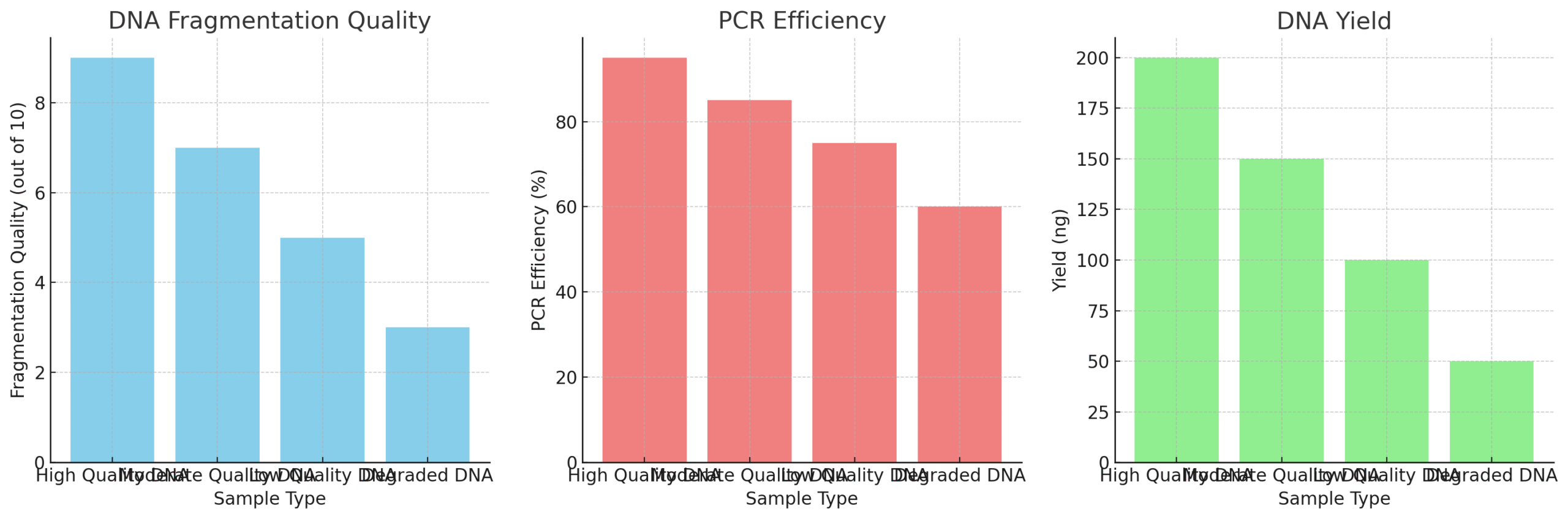
The first step involves the fragmentation of the input DNA. This process is critical as it dictates the length of the DNA fragments that will be used in the subsequent stages. DNA can be fragmented using either mechanical (e.g., sonication) or enzymatic methods. The VAHTS kit uses a proprietary method for fragmenting the DNA to achieve uniform fragment sizes, which is crucial for consistent sequencing results (PMC).

2. End Repair and A-tailing

After DNA fragmentation, the ends of the DNA fragments are repaired and an ‘A’ overhang is added. This step is essential for efficient ligation of adapters in the next stage. The addition of ‘A’ overhangs is crucial for compatibility with Illumina’s adapter-ligation protocol (UCLA).

3. Adapter Ligation

In this step, specialized adapters are ligated to the DNA fragments. These adapters are necessary for binding the DNA fragments to the sequencing flow cell. The adapters also contain unique sequences that are required for indexing during sequencing. The VAHTS kit includes optimized adapters that minimize the risk of adapter-dimer formation and ensure uniform library representation (PubMed).

4. PCR Amplification

The final stage of library preparation involves PCR amplification. This step amplifies the DNA fragments that have been ligated to the adapters. It is a critical step to ensure sufficient amounts of library material for sequencing. The VAHTS Universal Plus DNA Library Prep Kit uses a low-bias amplification method to ensure that each fragment is represented accurately, which is particularly important for targeted sequencing and whole genome sequencing (NCBI Gene).

AffiNGS® VAHTS Universal Plus DNA Library Prep Kit for Illumina V2

Applications of VAHTS Universal Plus DNA Library Prep Kit

The versatility of the VAHTS Universal Plus DNA Library Prep Kit extends across a broad spectrum of genomic and metagenomic research areas. Below are some of the most common applications of this DNA library preparation kit.

1. Whole Genome Sequencing (WGS)

The VAHTS Universal Plus DNA Library Prep Kit is ideal for whole genome sequencing, a method used to comprehensively study the genetic material of organisms. Whether it’s human, microbial, or plant genomes, this kit ensures efficient preparation of high-quality libraries, crucial for comprehensive genome analysis and structural variation detection (NCBI Genomes).

2. Targeted Sequencing

This kit is also well-suited for targeted sequencing applications. Targeted sequencing focuses on specific regions of the genome and is commonly used in research on genetic disorders, cancer genomics, and pharmacogenomics. The precision of the VAHTS kit minimizes amplification bias, making it ideal for these high-accuracy applications (Nature Genetics).

3. Metagenomics

Metagenomics is the study of genetic material recovered directly from environmental samples. The VAHTS Universal Plus DNA Library Prep Kit is optimized for low-input DNA, making it ideal for environmental or clinical metagenomics, where DNA is often fragmented or degraded. This kit ensures that a diverse microbial community is accurately represented, even from limited DNA (PubMed Central).

4. Clinical Research

Clinical research often requires precise sequencing with high sensitivity. The VAHTS kit’s ability to handle low-input DNA makes it particularly useful for clinical applications, including liquid biopsy and rare disease research. It ensures high-quality DNA library preparation from challenging clinical samples (NIH).

5. Epigenomics

In addition to genomic and metagenomic sequencing, this kit is also suitable for epigenomic studies, such as DNA methylation analysis. The kit’s ability to work with low DNA inputs allows researchers to study epigenetic modifications in various biological contexts, including aging and disease (UCLA).

Advantages Over Competing Kits

When compared to other DNA library prep kits, the VAHTS Universal Plus DNA Library Prep Kit for Illumina stands out due to its superior performance and flexibility. Some advantages include:

  • Minimal Input Requirements: The kit is highly effective with limited DNA input, making it ideal for working with degraded or rare samples, such as ancient DNA or clinical specimens (Harvard University).

  • High Accuracy and Precision: The VAHTS kit minimizes biases during library construction, ensuring that sequencing results accurately reflect the original sample. This is particularly important for studies requiring high precision, such as genomic studies and clinical diagnostics (ScienceDirect).

  • Broad Compatibility with Illumina Sequencers: The kit is designed specifically for use with Illumina sequencing platforms, ensuring seamless integration with existing sequencing workflows and offering optimized results for both short-read sequencing and long-read sequencing (Illumina).

Troubleshooting Common Issues

While the VAHTS Universal Plus DNA Library Prep Kit is designed for ease of use, certain challenges may arise during library preparation. Here are some common issues and troubleshooting tips:

  • Low Yield of DNA Library: If the yield is lower than expected, check the DNA input quality and ensure that the fragmentation step was performed correctly. Low-quality or degraded DNA may require more stringent quality control before preparation (NIH National Institute of General Medical Sciences).

  • Adapter-Dimer Formation: If adapter-dimer formation is observed, consider optimizing the adapter concentration or increasing the number of PCR cycles. Reducing the amount of adapter used in the ligation step can also help (PubMed).

  • Poor Sequencing Results: If sequencing results show uneven coverage or missing regions, ensure that the PCR amplification step was optimized to avoid amplification bias. Additionally, confirm that the DNA fragmentation was uniform (Nature Protocols).

Conclusion

The VAHTS Universal Plus DNA Library Prep Kit for Illumina provides an outstanding solution for high-throughput sequencing needs, combining ease of use, minimal input requirements, and optimal performance. Whether it’s for whole genome sequencing, targeted sequencing, or metagenomics, this kit ensures high-quality DNA libraries that are essential for obtaining reliable sequencing results.

For further reading and more technical details, consult these resources:

Filter Pipette Tips: Essential Tools for Accurate and Contamination-Free Laboratory Work

Filter pipette tips are a critical component of modern laboratory work, offering enhanced accuracy and precision in liquid handling. These tips are equipped with a filter that prevents aerosols, contaminants, and other substances from contaminating the pipette or sample. By effectively minimizing the risk of cross-contamination, filter pipette tips play an essential role in a wide range of scientific disciplines, from molecular biology to chemical analysis.

What are Filter Pipette Tips?

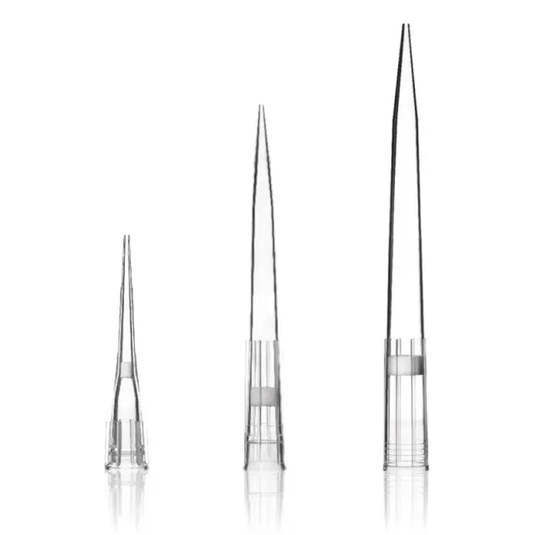
At their core, filter pipette tips are similar to regular pipette tips, but with the addition of an internal filter. This filter is typically made of hydrophobic materials such as polypropylene, which are designed to capture and hold back contaminants or particles that may be present in the liquid sample. The filter helps to isolate the sample and pipette system, ensuring no contamination is transferred between samples or into the pipette.

The unique feature of these tips is their ability to prevent aerosols and liquids from backtracking into the pipette body, preserving both the sample integrity and the functionality of the pipette. They are indispensable in situations where contamination must be avoided, and samples must be handled with utmost precision.

The Science Behind Filter Pipette Tips

Aerosol Contamination and the Need for Filter Tips

Aerosols are microscopic droplets of liquid that can form during pipetting, especially when working with volatile substances or high-speed pipetting methods. These aerosols can lead to contamination of both the sample being pipetted and the pipette, which in turn may affect the accuracy of subsequent samples. According to studies from National Institute of Standards and Technology (NIST), controlling aerosol contamination is essential for maintaining the integrity of biological, chemical, and environmental research.

The use of filter pipette tips is an effective method of aerosol control. These tips ensure that even if aerosols are formed during pipetting, they will not travel back into the pipette body or contaminant the next sample. This mechanism is vital for preventing cross-contamination between different reagents or samples, particularly when working with high-value or sensitive biological samples like DNA, RNA, or proteins.

Preventing Sample Contamination and Cross-Contamination

Filter pipette tips prevent the direct transfer of liquids or aerosols between the sample and the pipette, ensuring that the pipette is not contaminated by the fluid in the tip. This is particularly important in molecular biology and clinical diagnostics, where contamination can lead to incorrect results, such as false positives or false negatives. The U.S. Centers for Disease Control and Prevention (CDC) recommends using filter tips when handling clinical specimens to avoid the introduction of pathogens from contaminated pipettes.

Maintaining Pipette Cleanliness

Another key advantage of filter pipette tips is their ability to protect the pipette mechanism from contamination. As pipettes are reused repeatedly, ensuring that no liquids or aerosols enter the pipette body prevents contamination of subsequent samples. This protection allows pipettes to be maintained over a longer period of time without the need for frequent cleaning or calibration. The National Institutes of Health (NIH) emphasizes that proper pipetting techniques, including using filter pipette tips, contribute to more reliable and reproducible results in laboratory research.

Applications of Filter Pipette Tips in Scientific Research

Molecular Biology and Genomics

In molecular biology, working with DNA, RNA, or proteins requires a high degree of precision to avoid contamination. Even trace amounts of contaminants from the pipette or previous samples can interfere with downstream applications like PCR, gel electrophoresis, or sequencing. Filter pipette tips are especially valuable when conducting genomic research, where the purity of samples is crucial. The NIH stresses the importance of reducing cross-contamination to ensure accurate results in DNA sequencing and related techniques.

In these applications, filter pipette tips help avoid contamination between different DNA/RNA samples and reagents. By using these tips, researchers can be more confident that the samples remain uncontaminated, ensuring that the results of their experiments are as reliable and reproducible as possible.

AffiGEN® Filter Tips

Clinical Diagnostics and Microbiology

Microbiology and clinical diagnostics laboratories also rely heavily on filter pipette tips to ensure accurate sample handling. Clinical labs often handle bodily fluids, including blood, urine, or saliva, which may carry pathogens or contaminants. In these environments, it is vital to prevent cross-contamination between samples to avoid misdiagnosis.

The FDA has set forth guidelines for best practices in clinical laboratories, which include the use of filter pipette tips when working with diagnostic specimens. These tips not only prevent contamination but also help to ensure that infectious agents do not spread between samples, reducing the risk of cross-contamination and preserving the integrity of patient results.

Environmental and Chemical Testing

In environmental research, accurate chemical analysis is essential for determining the levels of pollutants or toxins in water, air, and soil. Pipette tips equipped with filters are necessary when working with hazardous chemicals or volatile solvents, as they prevent contamination and reduce the risk of aerosols that could compromise safety and accuracy.

According to the EPA, the accurate handling of samples, especially when dealing with environmental toxins, is critical for ensuring the reliability of test results. Filter pipette tips play a key role in ensuring that sample integrity is preserved, particularly when working with trace amounts of substances that could be affected by contamination.

Different Types of Filter Pipette Tips

Low Retention Filter Tips

Low retention filter pipette tips are designed with a special coating that reduces the amount of liquid left behind after pipetting. This is particularly important when working with precious reagents or when trying to avoid sample loss. Low retention tips are essential when performing assays where precise amounts of liquids must be transferred. Studies, such as those conducted by the NIH, highlight the advantage of low retention tips in improving pipetting efficiency and ensuring more accurate results.

High-Volume Filter Tips

High-volume filter pipette tips are designed for transferring larger volumes of liquids without compromising contamination control. These tips allow for quicker sample processing, which is especially beneficial when performing high-throughput assays in pharmaceutical or environmental research. According to the CDC, high-volume tips are often used in large-scale diagnostics and research where rapid handling of sample volumes is critical.

AffiGEN® Filter Tips

Viscous Liquid Filter Tips

For laboratory procedures involving viscous liquids, such as gels or proteins, specialized filter pipette tips are designed to handle thick substances. These tips are engineered to prevent clogging and ensure that viscous liquids are accurately dispensed without introducing contaminants. The use of these specialized tips is especially crucial when working with biological fluids or chemical compounds that are prone to forming aerosols or residues.

Key Benefits of Using Filter Pipette Tips

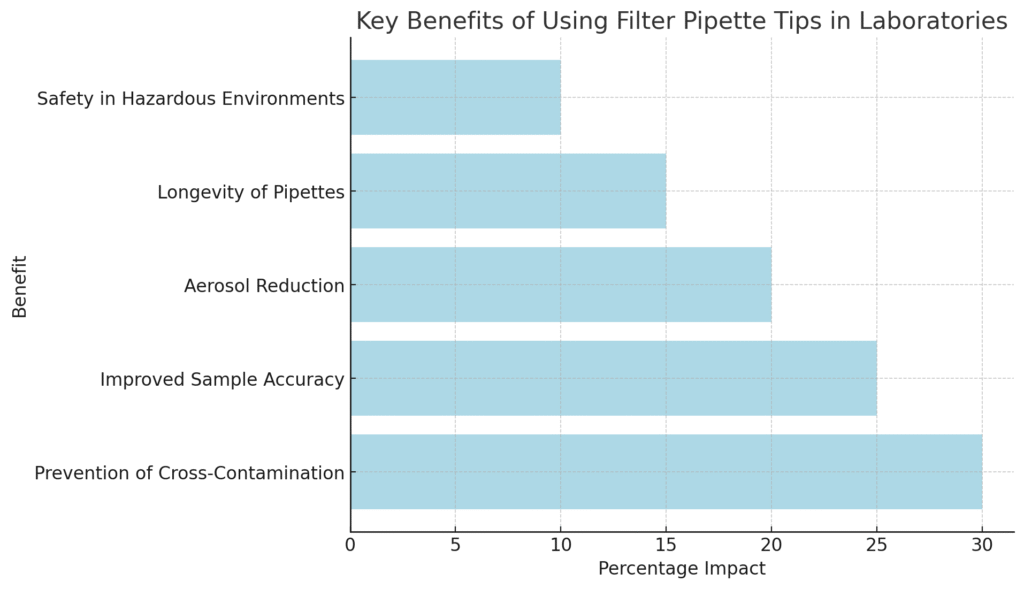
  1. Prevention of Cross-Contamination: Filter pipette tips are designed to prevent contamination between samples, ensuring that the integrity of each sample is maintained.

  2. Improved Sample Accuracy: The use of these tips reduces the risk of errors, ensuring that the samples being processed are handled accurately and without contamination. This leads to more reliable results, as emphasized by the EPA.

  3. Aerosol Reduction: Filter tips minimize the formation of aerosols that can affect sample handling and the environment. This feature is particularly important in maintaining the accuracy of biological and chemical analyses.

  4. Longevity of Pipettes: By preventing contamination within the pipette system, filter pipette tips help extend the life of pipettes and reduce maintenance costs. This reduces downtime and ensures that pipetting systems remain operational for longer.

  5. Safety in Hazardous Environments: Filter pipette tips are crucial for ensuring safety when working with dangerous or volatile substances. The added layer of protection ensures that harmful aerosols do not enter the pipette or the surrounding environment, which is especially vital when working with pathogens or hazardous chemicals.

Choosing the Right Filter Pipette Tips for Your Laboratory

Consider the Type of Liquid

When selecting filter pipette tips, the viscosity and chemical properties of the liquid being handled should be taken into account. For example, thick or viscous liquids may require specialized filter tips designed to handle such substances without clogging or compromising accuracy. The FDA provides detailed guidelines on handling chemicals and biological samples, which can help inform the selection of appropriate pipette tips.

Assessing Sample Volume

Different research applications may require different volumes of liquid to be transferred. High-volume filter tips are ideal for applications requiring the transfer of large quantities of liquid, while standard or low-volume tips are suitable for more precise work. Understanding the sample volume requirements of your laboratory work is essential for selecting the correct filter tips.

Compatibility with Pipette Models

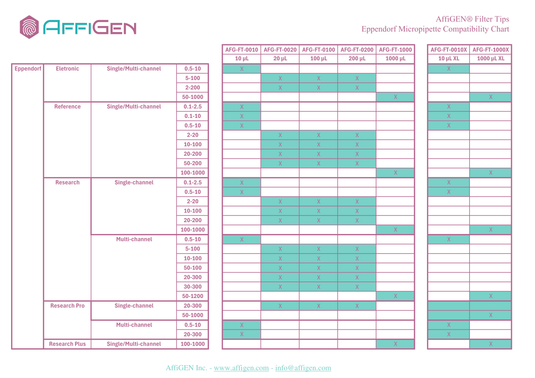
Not all pipette tips are compatible with all pipette models. Before purchasing filter pipette tips, it is important to ensure they are compatible with your pipette system. Manufacturers typically provide compatibility charts to help users choose the appropriate tips for their pipettes.


Conclusion

Filter pipette tips are an indispensable tool in modern laboratory work, offering crucial contamination control, increasing accuracy, and prolonging the lifespan of pipetting systems. By understanding their applications and the various types of tips available, researchers can enhance the reliability and reproducibility of their experiments. Whether conducting molecular biology research, clinical diagnostics, or chemical analysis, filter pipette tips ensure the highest level of precision and safety, making them an essential component in any well-equipped laboratory.

2D phosphorene nanosheets, quantum dots, nanoribbons: synthesis and biomedical applications

Phosphorene, often known as black phosphorus (BP), is a two-dimensional (2D) materials that has gained important consideration in a number of areas of present analysis. Its distinctive properties resembling excellent floor exercise, an adjustable bandgap width, favorable on/off present ratios, infrared-light responsiveness, good biocompatibility, and quick biodegradation differentiate this materials from different two-dimensional supplies.

The applying of BP within the biomedical discipline has been quickly rising over the previous few years. This text aimed to offer a complete evaluate of the current progress on the distinctive properties and in depth medical functions for BP in bone, nerve, pores and skin, kidney, most cancers, and biosensing associated therapy. The small print of functions of BP in these fields had been summarized and mentioned.

Antibacterial metals and alloys for potential biomedical implants

Metals and alloys, together with chrome steel, titanium and its alloys, cobalt alloys, and different metals and alloys have been broadly used clinically as implant supplies, however implant-related an infection or irritation remains to be one of many most important causes of implantation failure.

The bacterial an infection or irritation that severely threatens human well being has already grow to be a worldwide criticism. Antibacterial metals and alloys not too long ago have attracted huge consideration for his or her long-term secure antibacterial capacity, good mechanical properties and good biocompatibility in vitro and in vivo. On this evaluate, widespread antibacterial alloying parts, antibacterial requirements and testing strategies had been launched.

Latest developments within the design and manufacturing of antibacterial steel alloys containing varied antibacterial brokers had been described intimately, together with antibacterial chrome steel, antibacterial titanium alloy, antibacterial zinc and alloy, antibacterial magnesium and alloy, antibacterial cobalt alloy, and different antibacterial metals and alloys.

Researches on the antibacterial properties, mechanical properties, corrosion resistance and biocompatibility of antibacterial metals and alloys have been summarized intimately for the primary time. It’s hoped that this evaluate might assist researchers perceive the event of antibacterial alloys in a well timed method, thereby might promote the event of antibacterial steel alloys and the medical utility.

Rational Design of Good Hydrogels for Biomedical Functions

Hydrogels are polymeric three-dimensional community buildings with excessive water content material. Resulting from their superior biocompatibility and low toxicity, hydrogels play a big function within the biomedical fields. Hydrogels are categorized by the composition from pure polymers to artificial polymers. To fulfill the sophisticated scenario within the biomedical functions, appropriate host-guest supramolecular interactions are rationally chosen.

This evaluate may have an introduction of hydrogel classification primarily based on the formulation molecules, after which a dialogue over the rational design of the clever hydrogel to the environmental stimuli resembling temperature, irradiation, pH, and focused biomolecules.

Additional, the functions of rationally designed sensible hydrogels within the biomedical discipline might be offered, resembling tissue restore, drug supply, and most cancers remedy. Lastly, the views and the challenges of sensible hydrogels might be outlined.

Quantitative confocal microscopy and calibration for measuring variations in cyclic-di-GMP signalling by micro organism on biomedical hydrogels

The expansion of bacterial biofilms on implanted medical units causes dangerous infections and system failure. Biofilm improvement initiates when micro organism connect to and sense a floor. For the widespread nosocomial pathogen Pseudomonas aeruginosa and lots of others, the transition to the biofilm phenotype is managed by the intracellular sign and second messenger cyclic-di-GMP (c-di-GMP). It isn’t recognized how biomedical supplies may be adjusted to impede c-di-GMP signalling, and there are few extant strategies for conducting such research.

Right here, we develop such a way. We allowed P. aeruginosa to connect to the surfaces of poly(ethylene glycol) diacrylate (PEGDA) hydrogels. These micro organism contained a plasmid for a inexperienced fluorescent protein (GFP) reporter for c-di-GMP. We used laser-scanning confocal microscopy to measure the dynamics of the GFP reporter for three h, starting 1 h after introducing micro organism to the hydrogel.

2D phosphorene nanosheets, quantum dots, nanoribbons: synthesis and biomedical applications

We managed for the results of modifications in bacterial metabolism utilizing a promoterless plasmid for GFP, and for the results of sunshine passing via totally different hydrogels being in another way attenuated through the use of fluorescent plastic beads as ‘normal candles’ for calibration. We display that this methodology can measure statistically important variations in c-di-GMP signalling related to totally different PEGDA gel varieties and with the surface-exposed protein PilY1.

Development of Poly(amidoamine) Dendrimer/Carbon Dot Nanohybrids for Biomedical Functions

Design of clever hybrid nanoparticles that may combine prognosis and remedy parts performs an vital function within the discipline of nanomedicine. Poly(amidoamine) (PAMAM) dendrimers possessing a novel structure and tunable practical teams have been broadly developed for varied biomedical functions. Carbon dots (CDs) are thought of as a promising fluorescence probe or drug supply system attributable to their secure fluorescence property and wonderful biocompatibility.
The distinctive deserves of PAMAM dendrimers and CDs are amenable for them to be constructed as good nanohybrids for various biomedical functions, particularly for most cancers nanomedicine. Right here, the current advances within the development of PAMAM dendrimer/CD nanohybrids for various biomedical functions, particularly for sensing and most cancers theranostics are summarized. Lastly, the longer term views of the PAMAM dendrimer/CD nanohybrids are additionally briefly mentioned.

Developments in Micro-/Nanorobotics: Supplies Improvement, Actuation, Localization, and System Integration for Biomedical Functions

Micro-/nanorobots (m-bots) have attracted important curiosity attributable to their suitability for functions in biomedical engineering and environmental remediation. Notably, their functions in in vivo prognosis and intervention have been the main target of intensive analysis lately with varied medical imaging methods being utilized for localization and monitoring.
The profitable integration of well-designed m-bots with floor functionalization, distant actuation techniques, and imaging methods turns into the essential step towards biomedical functions, particularly for the in vivo makes use of. This evaluate thus addresses 4 totally different points of biomedical m-bots: design/fabrication, functionalization, actuation, and localization.

Recombinant Rhizobium sp. Enolase (eno)

MBS1084555-002mgYeast 0.02mg(Yeast)
EUR 1085

Recombinant Rhizobium sp. Enolase (eno)

MBS1084555-01mgEColi 0.1mg(E-Coli)
EUR 1140

Recombinant Rhizobium sp. Enolase (eno)

MBS1084555-01mgYeast 0.1mg(Yeast)
EUR 1235

Agrobacterium rhizogene Medium

LA7570 250 g Ask for price

Recombinant Rhizobium loti Enolase (eno)

MBS1390589-002mgBaculovirus 0.02mg(Baculovirus)
EUR 1295

Recombinant Rhizobium loti Enolase (eno)

MBS1390589-002mgEColi 0.02mg(E-Coli)
EUR 975

Recombinant Rhizobium loti Enolase (eno)

MBS1390589-002mgYeast 0.02mg(Yeast)
EUR 1085

Recombinant Rhizobium loti Enolase (eno)

MBS1390589-01mgEColi 0.1mg(E-Coli)
EUR 1140

Recombinant Rhizobium loti Enolase (eno)

MBS1390589-01mgYeast 0.1mg(Yeast)
EUR 1235

Recombinant Rhizobium etli Enolase (eno)

MBS1395784-002mgBaculovirus 0.02mg(Baculovirus)
EUR 1295

Recombinant Rhizobium etli Enolase (eno)

MBS1395784-002mgEColi 0.02mg(E-Coli)
EUR 975

Recombinant Rhizobium etli Enolase (eno)

MBS1395784-002mgYeast 0.02mg(Yeast)
EUR 1085

Recombinant Rhizobium etli Enolase (eno)

MBS1395784-01mgEColi 0.1mg(E-Coli)
EUR 1140

Recombinant Rhizobium etli Enolase (eno)

MBS1395784-01mgYeast 0.1mg(Yeast)
EUR 1235

Recombinant Rhizobium sp. Glucokinase (glk)

MBS1142971-002mgBaculovirus 0.02mg(Baculovirus)
EUR 1215

Recombinant Rhizobium sp. Glucokinase (glk)

MBS1142971-002mgEColi 0.02mg(E-Coli)
EUR 870

Recombinant Rhizobium sp. Glucokinase (glk)

MBS1142971-002mgYeast 0.02mg(Yeast)
EUR 1005

Recombinant Rhizobium sp. Glucokinase (glk)

MBS1142971-01mgEColi 0.1mg(E-Coli)
EUR 1045

Recombinant Rhizobium sp. Glucokinase (glk)

MBS1142971-01mgYeast 0.1mg(Yeast)
EUR 1145

Recombinant Rhizobium sp. GTPase obg (obg)

MBS1078588-002mgBaculovirus 0.02mg(Baculovirus)
EUR 1215

Recombinant Rhizobium sp. GTPase obg (obg)

MBS1078588-002mgEColi 0.02mg(E-Coli)
EUR 865

Recombinant Rhizobium sp. GTPase obg (obg)

MBS1078588-002mgYeast 0.02mg(Yeast)
EUR 1005

Recombinant Rhizobium sp. GTPase obg (obg)

MBS1078588-01mgEColi 0.1mg(E-Coli)
EUR 1045

Recombinant Rhizobium sp. GTPase obg (obg)

MBS1078588-01mgYeast 0.1mg(Yeast)
EUR 1140

Recombinant Rhizobium sp. GTPase Der (der)

MBS1052857-002mgBaculovirus 0.02mg(Baculovirus)
EUR 1340

Recombinant Rhizobium sp. GTPase Der (der)

MBS1052857-002mgEColi 0.02mg(E-Coli)
EUR 1040

Recombinant Rhizobium sp. GTPase Der (der)

MBS1052857-002mgYeast 0.02mg(Yeast)
EUR 1135

Recombinant Rhizobium sp. GTPase Der (der)

MBS1052857-01mgEColi 0.1mg(E-Coli)
EUR 1215

Recombinant Rhizobium sp. GTPase Der (der)

MBS1052857-01mgYeast 0.1mg(Yeast)
EUR 1295

Recombinant Rhizobium sp. Glutaminase (glsA)

MBS1186378-002mgBaculovirus 0.02mg(Baculovirus)
EUR 1195

Recombinant Rhizobium sp. Glutaminase (glsA)

MBS1186378-002mgEColi 0.02mg(E-Coli)
EUR 840

Recombinant Rhizobium sp. Glutaminase (glsA)

MBS1186378-002mgYeast 0.02mg(Yeast)
EUR 985

Recombinant Rhizobium sp. Glutaminase (glsA)

MBS1186378-01mgEColi 0.1mg(E-Coli)
EUR 1010

Recombinant Rhizobium sp. Glutaminase (glsA)

MBS1186378-01mgYeast 0.1mg(Yeast)
EUR 1120

Recombinant Rhizobium sp. Protein hfq (hfq)

MBS1036654-002mgBaculovirus 0.02mg(Baculovirus)
EUR 1005

Recombinant Rhizobium sp. Protein hfq (hfq)

MBS1036654-002mgEColi 0.02mg(E-Coli)
EUR 570

Recombinant Rhizobium sp. Protein hfq (hfq)

MBS1036654-002mgYeast 0.02mg(Yeast)
EUR 755

Recombinant Rhizobium sp. Protein hfq (hfq)

MBS1036654-01mgEColi 0.1mg(E-Coli)
EUR 680

Recombinant Rhizobium sp. Protein hfq (hfq)

MBS1036654-01mgYeast 0.1mg(Yeast)
EUR 885

Recombinant Rhizobium etli Glucokinase (glk)

MBS1299181-002mgBaculovirus 0.02mg(Baculovirus)
EUR 1215

Recombinant Rhizobium etli Glucokinase (glk)

MBS1299181-002mgEColi 0.02mg(E-Coli)
EUR 875

Recombinant Rhizobium etli Glucokinase (glk)

MBS1299181-002mgYeast 0.02mg(Yeast)
EUR 1010

Recombinant Rhizobium etli Glucokinase (glk)

MBS1299181-01mgEColi 0.1mg(E-Coli)
EUR 1050

Recombinant Rhizobium etli Glucokinase (glk)

MBS1299181-01mgYeast 0.1mg(Yeast)
EUR 1145

Recombinant Rhizobium etli Glucokinase (glk)

MBS1018526-002mgBaculovirus 0.02mg(Baculovirus)
EUR 1215

Recombinant Rhizobium etli Glucokinase (glk)

MBS1018526-002mgEColi 0.02mg(E-Coli)
EUR 875

Recombinant Rhizobium etli Glucokinase (glk)

MBS1018526-002mgYeast 0.02mg(Yeast)
EUR 1010

Recombinant Rhizobium etli Glucokinase (glk)

MBS1018526-01mgEColi 0.1mg(E-Coli)
EUR 1050

Recombinant Rhizobium etli Glucokinase (glk)

MBS1018526-01mgYeast 0.1mg(Yeast)
EUR 1145

Recombinant Rhizobium meliloti Enolase (eno)

MBS1401171-002mgBaculovirus 0.02mg(Baculovirus)
EUR 1295

Recombinant Rhizobium meliloti Enolase (eno)

MBS1401171-002mgEColi 0.02mg(E-Coli)
EUR 975

Recombinant Rhizobium meliloti Enolase (eno)

MBS1401171-002mgYeast 0.02mg(Yeast)
EUR 1085

Recombinant Rhizobium meliloti Enolase (eno)

MBS1401171-01mgEColi 0.1mg(E-Coli)
EUR 1140

Recombinant Rhizobium meliloti Enolase (eno)

MBS1401171-01mgYeast 0.1mg(Yeast)
EUR 1235

Recombinant Rhizobium loti Glucokinase (glk)

MBS1418163-002mgBaculovirus 0.02mg(Baculovirus)
EUR 1215

Recombinant Rhizobium loti Glucokinase (glk)

MBS1418163-002mgEColi 0.02mg(E-Coli)
EUR 875

Recombinant Rhizobium loti Glucokinase (glk)

MBS1418163-002mgYeast 0.02mg(Yeast)
EUR 1010

Recombinant Rhizobium loti Glucokinase (glk)

MBS1418163-01mgEColi 0.1mg(E-Coli)
EUR 1050

Recombinant Rhizobium loti Glucokinase (glk)

MBS1418163-01mgYeast 0.1mg(Yeast)
EUR 1145

Recombinant Rhizobium loti GTPase Der (der)

MBS1311640-002mgBaculovirus 0.02mg(Baculovirus)
EUR 1345

Recombinant Rhizobium loti GTPase Der (der)

MBS1311640-002mgEColi 0.02mg(E-Coli)
EUR 1045

Recombinant Rhizobium loti GTPase Der (der)

MBS1311640-002mgYeast 0.02mg(Yeast)
EUR 1140

Recombinant Rhizobium loti GTPase Der (der)

MBS1311640-01mgEColi 0.1mg(E-Coli)
EUR 1215

Recombinant Rhizobium loti GTPase Der (der)

MBS1311640-01mgYeast 0.1mg(Yeast)
EUR 1300

Recombinant Rhizobium etli GTPase Der (der)

MBS1291166-002mgBaculovirus 0.02mg(Baculovirus)
EUR 1340

Recombinant Rhizobium etli GTPase Der (der)

MBS1291166-002mgEColi 0.02mg(E-Coli)
EUR 1035

Recombinant Rhizobium etli GTPase Der (der)

MBS1291166-002mgYeast 0.02mg(Yeast)
EUR 1135

Recombinant Rhizobium etli GTPase Der (der)

MBS1291166-01mgEColi 0.1mg(E-Coli)
EUR 1210

Recombinant Rhizobium etli GTPase Der (der)

MBS1291166-01mgYeast 0.1mg(Yeast)
EUR 1290

Recombinant Rhizobium etli GTPase Der (der)

MBS1258347-002mgBaculovirus 0.02mg(Baculovirus)
EUR 1340

Recombinant Rhizobium etli GTPase Der (der)

MBS1258347-002mgEColi 0.02mg(E-Coli)
EUR 1035

Recombinant Rhizobium etli GTPase Der (der)

MBS1258347-002mgYeast 0.02mg(Yeast)
EUR 1135

Recombinant Rhizobium etli GTPase Der (der)

MBS1258347-01mgEColi 0.1mg(E-Coli)
EUR 1210

Recombinant Rhizobium etli GTPase Der (der)

MBS1258347-01mgYeast 0.1mg(Yeast)
EUR 1290

Recombinant Rhizobium etli GTPase obg (obg)

MBS1251413-002mgBaculovirus 0.02mg(Baculovirus)
EUR 1235

Recombinant Rhizobium etli GTPase obg (obg)

MBS1251413-002mgEColi 0.02mg(E-Coli)
EUR 900

Recombinant Rhizobium etli GTPase obg (obg)

MBS1251413-002mgYeast 0.02mg(Yeast)
EUR 1030

Recombinant Rhizobium etli GTPase obg (obg)

MBS1251413-01mgEColi 0.1mg(E-Coli)
EUR 1080

Recombinant Rhizobium etli GTPase obg (obg)

MBS1251413-01mgYeast 0.1mg(Yeast)
EUR 1170

Recombinant Rhizobium loti GTPase Era (era)

MBS1470619-002mgBaculovirus 0.02mg(Baculovirus)
EUR 1190

Recombinant Rhizobium loti GTPase Era (era)

MBS1470619-002mgEColi 0.02mg(E-Coli)
EUR 835

Recombinant Rhizobium loti GTPase Era (era)

MBS1470619-002mgYeast 0.02mg(Yeast)
EUR 980

Recombinant Rhizobium loti GTPase Era (era)

MBS1470619-01mgEColi 0.1mg(E-Coli)
EUR 1005

Recombinant Rhizobium loti GTPase Era (era)

MBS1470619-01mgYeast 0.1mg(Yeast)
EUR 1120

Recombinant Rhizobium loti GTPase obg (obg)

MBS1459278-002mgBaculovirus 0.02mg(Baculovirus)
EUR 1220

Recombinant Rhizobium loti GTPase obg (obg)

MBS1459278-002mgEColi 0.02mg(E-Coli)
EUR 875

Recombinant Rhizobium loti GTPase obg (obg)

MBS1459278-002mgYeast 0.02mg(Yeast)
EUR 1010

Recombinant Rhizobium loti GTPase obg (obg)

MBS1459278-01mgEColi 0.1mg(E-Coli)
EUR 1050

Recombinant Rhizobium loti GTPase obg (obg)

MBS1459278-01mgYeast 0.1mg(Yeast)
EUR 1150

Recombinant Rhizobium etli GTPase obg (obg)

MBS1432372-002mgBaculovirus 0.02mg(Baculovirus)
EUR 1235

Recombinant Rhizobium etli GTPase obg (obg)

MBS1432372-002mgEColi 0.02mg(E-Coli)
EUR 900

Recombinant Rhizobium etli GTPase obg (obg)

MBS1432372-002mgYeast 0.02mg(Yeast)
EUR 1030

Recombinant Rhizobium etli GTPase obg (obg)

MBS1432372-01mgEColi 0.1mg(E-Coli)
EUR 1080

Recombinant Rhizobium etli GTPase obg (obg)

MBS1432372-01mgYeast 0.1mg(Yeast)
EUR 1170

Recombinant Rhizobium etli Glutaminase (glsA)

MBS1155209-002mgBaculovirus 0.02mg(Baculovirus)
EUR 1185

Recombinant Rhizobium etli Glutaminase (glsA)

MBS1155209-002mgEColi 0.02mg(E-Coli)
EUR 835

Recombinant Rhizobium etli Glutaminase (glsA)

MBS1155209-002mgYeast 0.02mg(Yeast)
EUR 975

Recombinant Rhizobium etli Glutaminase (glsA)

MBS1155209-01mgEColi 0.1mg(E-Coli)
EUR 1000

Recombinant Rhizobium etli Glutaminase (glsA)

MBS1155209-01mgYeast 0.1mg(Yeast)
EUR 1120

Recombinant Rhizobium loti Glutaminase (glsA)

MBS1383326-002mgBaculovirus 0.02mg(Baculovirus)
EUR 1195

Recombinant Rhizobium loti Glutaminase (glsA)

MBS1383326-002mgEColi 0.02mg(E-Coli)
EUR 840

Recombinant Rhizobium loti Glutaminase (glsA)

MBS1383326-002mgYeast 0.02mg(Yeast)
EUR 985

Recombinant Rhizobium loti Glutaminase (glsA)

MBS1383326-01mgEColi 0.1mg(E-Coli)
EUR 1010

Recombinant Rhizobium loti Glutaminase (glsA)

MBS1383326-01mgYeast 0.1mg(Yeast)
EUR 1120

Recombinant Rhizobium sp. Protein nifX (nifX)

MBS1188643-002mgBaculovirus 0.02mg(Baculovirus)
EUR 1080

Recombinant Rhizobium sp. Protein nifX (nifX)

MBS1188643-002mgEColi 0.02mg(E-Coli)
EUR 670

Recombinant Rhizobium sp. Protein nifX (nifX)

MBS1188643-002mgYeast 0.02mg(Yeast)
EUR 835

Recombinant Rhizobium sp. Protein nifX (nifX)

MBS1188643-01mgEColi 0.1mg(E-Coli)
EUR 780

Recombinant Rhizobium sp. Protein nifX (nifX)

MBS1188643-01mgYeast 0.1mg(Yeast)
EUR 975

Recombinant Rhizobium sp. Protein RecA (recA)

MBS1101507-002mgBaculovirus 0.02mg(Baculovirus)
EUR 1235

Recombinant Rhizobium sp. Protein RecA (recA)

MBS1101507-002mgEColi 0.02mg(E-Coli)
EUR 900

Recombinant Rhizobium sp. Protein RecA (recA)

MBS1101507-002mgYeast 0.02mg(Yeast)
EUR 1025

Recombinant Rhizobium sp. Protein RecA (recA)

MBS1101507-01mgEColi 0.1mg(E-Coli)
EUR 1080

Recombinant Rhizobium sp. Protein RecA (recA)

MBS1101507-01mgYeast 0.1mg(Yeast)
EUR 1170

Recombinant Rhizobium etli Protein hfq (hfq)

MBS1389742-002mgBaculovirus 0.02mg(Baculovirus)
EUR 1005

Recombinant Rhizobium etli Protein hfq (hfq)

MBS1389742-002mgEColi 0.02mg(E-Coli)
EUR 570

Recombinant Rhizobium etli Protein hfq (hfq)

MBS1389742-002mgYeast 0.02mg(Yeast)
EUR 755

Recombinant Rhizobium etli Protein hfq (hfq)

MBS1389742-01mgEColi 0.1mg(E-Coli)
EUR 680

Recombinant Rhizobium etli Protein hfq (hfq)

MBS1389742-01mgYeast 0.1mg(Yeast)
EUR 885

Recombinant Rhizobium etli Protein hfq (hfq)

MBS1036813-002mgBaculovirus 0.02mg(Baculovirus)
EUR 1005

Recombinant Rhizobium etli Protein hfq (hfq)

MBS1036813-002mgEColi 0.02mg(E-Coli)
EUR 570

Recombinant Rhizobium etli Protein hfq (hfq)

MBS1036813-002mgYeast 0.02mg(Yeast)
EUR 755

Recombinant Rhizobium etli Protein hfq (hfq)

MBS1036813-01mgEColi 0.1mg(E-Coli)
EUR 680

Recombinant Rhizobium etli Protein hfq (hfq)

MBS1036813-01mgYeast 0.1mg(Yeast)
EUR 885

Recombinant Rhizobium sp. Protein fixF (fixF)

MBS1004106-002mgBaculovirus 0.02mg(Baculovirus)
EUR 1275

Recombinant Rhizobium sp. Protein fixF (fixF)

MBS1004106-002mgEColi 0.02mg(E-Coli)
EUR 950
The biomedical functions of the m-bots in prognosis, sensing, microsurgery, focused drug/cell supply, thrombus ablation, and wound therapeutic are reviewed from these viewpoints. The developed biomedical m-bot techniques are comprehensively in contrast and evaluated primarily based on their traits. The present challenges and the instructions of future analysis on this discipline are summarized.

Robust Data Integration Method for Classification of Biomedical Data

We current a protocol for integrating two forms of organic knowledge – medical and molecular – for more practical classification of sufferers with most cancers. The proposed method is a hybrid between early and late knowledge integration technique. On this hybrid protocol, the set of informative medical options is prolonged by the classification outcomes based mostly on molecular knowledge units.

The outcomes are then handled as new artificial variables. The hybrid protocol was utilized to METABRIC breast most cancers samples and TCGA urothelial bladder carcinoma samples. Varied knowledge sorts have been used for medical endpoint prediction: medical knowledge, gene expression, somatic copy quantity aberrations, RNA-Seq, methylation, and reverse part protein array. The efficiency of the hybrid knowledge integration was evaluated with a repeated cross validation process and in contrast with different strategies of knowledge integration: early integration and late integration by way of tremendous studying.

The hybrid methodology gave related outcomes to these obtained by the most effective of the examined variants of tremendous studying. What’s extra, the hybrid methodology allowed for additional sensitivity evaluation and recursive function elimination, which led to compact predictive fashions for most cancers medical endpoints. For breast most cancers, the ultimate mannequin consists of eight medical variables and two artificial options obtained from molecular knowledge.

For urothelial bladder carcinoma, solely two medical options and one artificial variable have been crucial to construct the most effective predictive mannequin. We now have proven that the inclusion of the artificial variables based mostly on the RNA expression ranges and replica quantity alterations can result in improved high quality of prognostic checks. Thus, it ought to be thought-about for inclusion in wider medical follow.

A Micro organism-Impressed Morphology Genetic Biomedical Materials: Self-Propelled Synthetic Microbots for Metastatic Triple Unfavourable Breast Most cancers Therapy

Morphology genetic biomedical supplies (MGBMs), referring to fabricating supplies by studying from the genetic morphologies and techniques of pure species, maintain nice potential for biomedical functions. Impressed by the cargo-carrying-bacterial remedy (microbots) for most cancers remedy, a MGBM (synthetic microbots, AMBs) was constructed.
Somewhat than the inherent bacterial properties (cancerous chemotaxis, tumor invasion, cytotoxicity), AMBs additionally possessed ingenious nitric oxide (NO) technology technique. Mimicking the bacterial development, the hyaluronic acid (HA) polysaccharide was induced as a coating capsule of AMBs to realize lengthy circulation in blood and particular tissue choice (tumor tropism).
Coated beneath the capsule-like polysaccharide was the combinatorial agent, the self-assembly constructed by the amphiphilic dendrons with ample l-arginine residues peripherally (as endogenous NO donor) and hydrophobic chemotherapeutic medicine on the core stacking on the floor of SWNTs (the photothermal agent) for a strong chemo-photothermal remedy (chemo-PTT) and the elicited immune remedy.
Subsequently, the basic inducible nitric oxide synthase (iNOS) pathway aroused by immune response was revolutionarily utilized to oxidize the l-arginine substrates for NO manufacturing, the method for which may be promoted by the excessive reactive oxygen species degree generated by chemo-PTT.
The NO generated by AMBs was supposed to control vasodilation and trigger a dramatic invasion (because the microbots) to disperse the therapeutic brokers all through the stable tumor for a way more enhanced healing impact, which we outlined as “self-propulsion”. The self-propelled AMBs exhibiting spectacular main tumor ablation, in addition to the distant metastasis regression to beat the metastatic triple detrimental breast most cancers, supplied pioneering potential therapeutic alternatives, and enlightened broad prospects in biomedical utility

Aidi injection, a standard Chinese language biomedical preparation, for gynecologic tumors: A scientific assessment and PRISMA-compliant meta-analysis

Aidi injection (ADI), a standard Chinese language biomedical preparation, is a promising adjuvant remedy for gynecologic tumors (GTs), together with cervical most cancers (CC), endometrial most cancers (EC), and ovarian most cancers (OC). Though research have reported positively on ADI remedy, its precise results and security in GT sufferers stay controversial. Due to this fact, a wide-ranging systematic search of digital databases was carried out for this meta-analysis. Information from 38 trials together with 3,309 GT sufferers have been analyzed.
The outcomes indicated that the mixture of typical remedy and ADI markedly improved the sufferers’ general response fee (P < 0.00001), illness management fee (P < 0.00001), and high quality of life (P < 0.05) in contrast with typical remedy alone. Moreover, affected person immunity was enhanced with mixed remedy, as indicated by considerably elevated percentages of CD3+ (P = 0.005) and CD4+ (P < 0.00001) and elevated CD4+/CD8+ ratio (P = 0.001).
A lot of the antagonistic occasions attributable to radiochemotherapy reminiscent of gastrointestinal points, leukopenia, thrombocytopenia, and hepatotoxicity, (P < 0.05 for all) have been considerably alleviated when ADI was used within the GT sufferers. Nevertheless, different antagonistic occasions reminiscent of nephrotoxicity, diarrhea, alopecia, and neurotoxicity didn’t considerably differ between the 2 teams. Total, these outcomes recommend that the mixture of typical and ADI remedy is more practical than typical remedy alone.
Robust Data Integration Method for Classification of Biomedical Data

On the design, features, and biomedical functions of high-throughput dielectrophoretic micro-/nanoplatforms: a assessment

As an environment friendly, speedy and label-free micro-/nanoparticle separation method, dielectrophoresis (DEP) has attracted widespread consideration lately, particularly within the subject of biomedicine, which displays big potential in biomedically related functions reminiscent of illness prognosis, most cancers cell screening, biosensing, and others.
DEP expertise has been enormously developed just lately from the low-flux laboratory degree to high-throughput sensible functions. On this assessment, we summarize the latest progress of DEP expertise in biomedical functions, together with firstly the design of assorted sorts and supplies of DEP electrode and movement channel, design of enter alerts, and different improved designs.
Then, useful tailoring of DEP programs with endowed particular features together with separation, purification, seize, enrichment and connection of biosamples, in addition to the combination of multifunctions, are demonstrated. After that, consultant DEP biomedical utility examples in facets of illness detection, drug synthesis and screening, biosensing and cell positioning are offered.

MC Cellufine MAX S-r

20-300-51 5 x 1 ml
EUR 325.2

MC Cellufine MAX S-r

20300-55 5 x 5 ml
EUR 631.2

MC Cellufine MAX S-r

20 300-51 5x 1 mL Ask for price

Cellufine MAX Q-r

20-500 100 ml
EUR 458.4

Cellufine MAX Q-r

20-501 500 ml
EUR 1756.8

Cellufine MAX Q-r

20-502 5 lt Ask for price

Cellufine MAX Q-r

20-503 10 lt Ask for price

Cellufine MAX Q-r

20500 100 mL Ask for price

Cellufine MAX Q-r

20501 500 mL Ask for price

Cellufine MAX Q-r

20502 5 L Ask for price

Cellufine MAX Q-r

20503 10 L Ask for price

Cellufine MAX S-h

20-400 100 ml
EUR 458.4

Cellufine MAX S-h

20-401 500 ml
EUR 1756.8

Cellufine MAX S-h

20-402 5 lt Ask for price

Cellufine MAX S-h

20-403 10 lt Ask for price

Cellufine MAX S-h

20400 100 mL Ask for price

Cellufine MAX S-h

20401 500 mL Ask for price

Cellufine MAX S-h

20402 5 L Ask for price

Cellufine MAX S-h

20403 10 L Ask for price

MC Cellufine MAX Q-r

20-500-51 5 x 1 ml
EUR 325.2

MC Cellufine MAX Q-r

20-500-55 5 x 5 ml
EUR 631.2

MC Cellufine MAX Q-r

20 500-51 5x 1 mL Ask for price

MC Cellufine MAX Q-r

20 500-55 5x 5 mL Ask for price

MC Cellufine MAX S-h

20-400-51 5 x 1 ml
EUR 325.2

MC Cellufine MAX S-h

20-400-55 5 x 5 ml
EUR 631.2

MC Cellufine MAX S-h

20 400-51 5x 1 mL Ask for price

MC Cellufine MAX S-h

20 400-55 5x 5 mL Ask for price

Cellufine MAX GS

21-300 100 ml
EUR 606

Cellufine MAX GS

21-301 500 ml
EUR 1962

Cellufine MAX GS

21-302 5 lt Ask for price

Cellufine MAX GS

21-303 10 lt Ask for price

Cellufine MAX IB

21-600 10 ml
EUR 312

Cellufine MAX IB

21-601 50 ml
EUR 580.8

Cellufine MAX IB

21-602 100 ml
EUR 753.6

Cellufine MAX IB

21-603 500 ml
EUR 2882.4

Cellufine MAX IB

21-604 5 lt Ask for price

Cellufine MAX IB

21-605 10 lt Ask for price

Cellufine MAX GS

21300 100 mL Ask for price

Cellufine MAX GS

21301 500 mL Ask for price

Cellufine MAX GS

21302 5 L Ask for price

Cellufine MAX GS

21303 10 L Ask for price

Cellufine MAX IB

21600 10 mL Ask for price

Cellufine MAX IB

21601 50 mL Ask for price

Cellufine MAX IB

21602 100 mL Ask for price

Cellufine MAX IB

21603 500 mL Ask for price

Cellufine MAX IB

21604 5 L Ask for price

Cellufine MAX IB

21605 10 L Ask for price

Cellufine MAX DEAE

21-000 100 ml
EUR 458.4

Cellufine MAX DEAE

21-001 500 ml
EUR 1756.8

Cellufine MAX DEAE

21-002 5 lt Ask for price

Cellufine MAX DEAE

21-003 10 lt Ask for price

Cellufine MAX DEAE

21000 100 mL Ask for price

Cellufine MAX Butyl

21-100 100 ml
EUR 439.2

Cellufine MAX Butyl

21-101 500 ml
EUR 1194

Cellufine MAX Butyl

21-102 5 lt Ask for price

Cellufine MAX Butyl

21-103 10 lt Ask for price

Cellufine MAX Butyl

21100 100 mL Ask for price

Cellufine MAX Butyl

21101 500 mL Ask for price

Cellufine MAX Butyl

21102 5 L Ask for price

Cellufine MAX Butyl

21103 10 L Ask for price

Cellufine MAX Phenyl

20700 100 ml
EUR 439.2

Cellufine MAX Phenyl

20701 500 ml
EUR 1194

Cellufine MAX Phenyl

20702 5 lt Ask for price

Cellufine MAX Phenyl

20703 10 lt Ask for price

Cellufine MAX AminoButyl

21-500 50 ml
EUR 450

Cellufine MAX AminoButyl

21-501 100 ml
EUR 746.4

Cellufine MAX AminoButyl

21-502 500 ml
EUR 2959.2

Cellufine MAX AminoButyl

21-503 5 lt Ask for price

Cellufine MAX AminoButyl

21-504 10 lt Ask for price

Cellufine MAX Q-h

20-600 100 ml
EUR 458.4

Cellufine MAX Q-h

20-601 500 ml
EUR 1756.8

Cellufine MAX Q-h

20-602 5 lt Ask for price

Cellufine MAX Q-h

20-603 10 lt Ask for price

MC Cellufine MAX CM

20-900 100 ml
EUR 458.4

MC Cellufine MAX CM

20-900-51 5 x 1 ml
EUR 325.2

MC Cellufine MAX CM

20-900-55 5 x 5 ml
EUR 631.2

MC Cellufine MAX CM

20-901 500 ml
EUR 1756.8

MC Cellufine MAX CM

20-902 5 lt Ask for price

MC Cellufine MAX CM

20-903 10 lt Ask for price

MC Cellufine MAX GS

21-300-51 5 x 1 ml
EUR 325.2

MC Cellufine MAX GS

21-300-55 5 x 5 ml
EUR 631.2

MC Cellufine MAX IB

21-600-15 1 x 5 ml
EUR 362.4

MC Cellufine MAX IB

21-600-51 5 x 1 ml
EUR 362.4

MC Cellufine MAX CM

20 900-51 5x 1 mL Ask for price

MC Cellufine MAX CM

20 900-55 5x 5 mL Ask for price

Cellufine MAX Q-h

20600 100 mL Ask for price

Cellufine MAX Q-h

20601 500 mL Ask for price

Cellufine MAX Q-h

20602 5 L Ask for price

Cellufine MAX Q-h

20603 10 L Ask for price

MC Cellufine MAX CM

20900 100 mL Ask for price

MC Cellufine MAX CM

20901 500 mL Ask for price

MC Cellufine MAX CM

20902 5 L Ask for price

MC Cellufine MAX CM

20903 10 L Ask for price

MC Cellufine MAX GS

21 300-51 5x 1 mL Ask for price

MC Cellufine MAX GS

21 300-55 5x 5 mL Ask for price

MC Cellufine MAX IB

21 600-15 1x 5 mL Ask for price

MC Cellufine MAX IB

21 600-51 5x 1 mL Ask for price

MC Cellufine MAX DEAE

21-000-51 5 x 1 ml
EUR 325.2

MC Cellufine MAX DEAE

21-000-55 5 x 5 ml
EUR 631.2

MC Cellufine MAX DEAE

21 000-51 5x 1 mL Ask for price

MC Cellufine MAX DEAE

21 000-55 5x 5 mL Ask for price

MC Cellufine MAX Butyl

21-100-51 5 x 1 ml
EUR 325.2

MC Cellufine MAX Butyl

21-100-55 5 x 5 ml
EUR 644.4

MC Cellufine MAX Butyl

21 100-51 5x 1 mL Ask for price

MC Cellufine MAX Butyl

21 100-55 5x 5 mL Ask for price

MC Cellufine MAX Phenyl

20-700-51 5 x 1 ml
EUR 325.2

MC Cellufine MAX Phenyl

20-700-55 5 x 5 ml
EUR 644.4

Cellufine MAX Phenyl LS

20800 100 ml
EUR 439.2

Cellufine MAX Phenyl LS

20802 5 lt Ask for price

MC Cellufine MAX Phenyl

20 700-51 5x 1 mL Ask for price

MC Cellufine MAX Phenyl

20 700-55 5x 5 mL Ask for price

Cellufine MAX DexS-Hbp

21703 5 lt Ask for price

Cellufine MAX DexS-Vir

21803 5 lt Ask for price

Cellufine MAX DexS-Hbp

21-700 10 ml
EUR 312

Cellufine MAX DexS-Hbp

21-700-15 1 x 5 ml
EUR 362.4

Cellufine MAX DexS-Hbp

21-700-51 5 x 1 ml
EUR 362.4

Cellufine MAX DexS-Hbp

21-701 50 ml
EUR 580.8

Cellufine MAX DexS-Hbp

21-702 500 ml
EUR 2882.4

Cellufine MAX DexS-Hbp

21-704 10 lt Ask for price

Cellufine MAX DexS-Vir

21-800 10 ml
EUR 312

Cellufine MAX DexS-Vir

21-801 50 ml
EUR 580.8

Cellufine MAX DexS-Vir

21-802 500 ml
EUR 2882.4

Cellufine MAX DexS-Vir

21-804 10 lt Ask for price

Cellufine MAX DexS-Hbp

21 700-15 1x 5 mL Ask for price

Cellufine MAX DexS-Hbp

21 700-51 5x 1 mL Ask for price

Cellufine MAX DexS-Hbp

21700 10 mL Ask for price

Cellufine MAX DexS-Hbp

21701 50 mL Ask for price

Cellufine MAX DexS-Hbp

21702 500 mL Ask for price

Cellufine MAX DexS-Hbp

21704 10 L Ask for price

Cellufine MAX DexS-Vir

21800 10 mL Ask for price

Cellufine MAX DexS-Vir

21801 50 mL Ask for price

Cellufine MAX DexS-Vir

21802 500 mL Ask for price

Cellufine MAX DexS-Vir

21804 10 L Ask for price

MC Cellufine MAX AminoButyl

21-500-15 1 x 5 ml
EUR 541.2

MC Cellufine MAX AminoButyl

21-500-51 5 x 1 ml
EUR 541.2

MC Cellufine MAX Q-h

20-600-51 5 x 1 ml
EUR 325.2

MC Cellufine MAX Q-h

20-600-55 5 x 5 ml
EUR 631.2

MC Cellufine MAX Q-h

20 600-51 5x 1 mL Ask for price

MC Cellufine MAX Q-h

20 600-55 5x 5 mL Ask for price

MC Cellufine MAX Phenyl LS

20-800-51 5 x 1 ml
EUR 325.2

MC Cellufine MAX Phenyl LS

20-800-55 5 x 5 ml
EUR 644.4

MC Cellufine MAX Phenyl LS

20 800-51 5x 1 mL Ask for price

MC Cellufine MAX Phenyl LS

20 800-55 5x 5 mL Ask for price

MC Cellufine MAX DexS-Vir

21-800-15 1 x 5 ml
EUR 362.4

MC Cellufine MAX DexS-Vir

21-800-51 5 x 1 ml
EUR 362.4

MC Cellufine MAX DexS-Vir

21 800-15 1x 5 mL Ask for price

MC Cellufine MAX DexS-Vir

21 800-51 5x 1 mL Ask for price

Cellufine S-500

21-200 100 ml
EUR 465.6

Cellufine S-500

21-201 500 ml
EUR 836.4

Cellufine S-500

21-202 5 lt Ask for price

Cellufine S-500

21-203 10 lt Ask for price

Cellufine S-500

21200 100 mL Ask for price

Cellufine S-500

21201 500 mL Ask for price

Cellufine S-500

21202 5 L Ask for price

Cellufine S-500

21203 10 L Ask for price

Cellufine ETclean S

682-985-324 10 ml
EUR 439.2

Cellufine ETclean S

682-985-326 50 ml
EUR 708

Cellufine ETclean S

682-985-328 500 ml
EUR 3624

Cellufine ETclean S

682-985-330 5 lt Ask for price

Cellufine ETclean S

682-985-335 10 lt Ask for price

Cellufine ETclean S

682985324 10 mL Ask for price

Cellufine ETclean S

682985326 50 mL Ask for price

Cellufine ETclean S

682985328 500 mL Ask for price

Cellufine ETclean S

682985330 5 L Ask for price

Cellufine ETclean S

682985335 10 L Ask for price

MC Cellufine S-500

21-200-51 5 x 1 ml
EUR 286.8

MC Cellufine S-500

21-200-55 5 x 5 ml
EUR 504

MC Cellufine S-500

21 200-51 5x 1 mL Ask for price

MC Cellufine S-500

21 200-55 5x 5 mL Ask for price

MC Cellufine Etclean S

201-15 1 x 5 ml
EUR 427.2

MC Cellufine Etclean S

201-51 5 x 1 ml
EUR 427.2

Cellufine PB

683-986-324 10 ml
EUR 542.4

Cellufine PB

683-986-326 50 ml Ask for price

Cellufine PB

683-986-328 500 ml Ask for price

Cellufine PB

683-986-330 5 lt Ask for price

Cellufine PB

683-986-335 10 lt Ask for price

Cellufine Formyl

20-854 500 ml
EUR 4890

Cellufine Formyl

676-944-324 10 ml
EUR 388.8

Cellufine Formyl

676-944-335 10 lt Ask for price

Cellufine Formyl

19-853 50 ml
EUR 644.4

Cellufine Formyl

21-855 5 lt Ask for price

Cellufine Formyl

19853 50 mL Ask for price

Cellufine Formyl

20854 500 mL Ask for price

Cellufine Formyl

21855 5 L Ask for price

Cellufine Formyl

676 944 324 10 mL Ask for price

Cellufine Formyl

676 944 335 10 L Ask for price

Cellufine Sulfate

676-943-324 10 ml
EUR 362.4

Cellufine Sulfate

19845 50 ml
EUR 669.6

Cellufine Sulfate

19846 500 ml
EUR 3470.4

Cellufine Sulfate

19847 5 lt Ask for price

Cellufine Sulfate

19849 10 lt Ask for price

Cellufine Sulfate

676 943 324 10 mL Ask for price

Cellufine Phosphate

684-987-335 10 lt Ask for price

Cellufine Phosphate

685-987-330 5 lt Ask for price

Cellufine Phosphate

19-524 10 ml
EUR 516

Cellufine Phosphate

19-545 50 ml
EUR 542.4

Cellufine Phosphate

19-546 500 ml
EUR 4046.4

Cellufine Phosphate

19524 10 mL Ask for price

Cellufine Phosphate

19545 50 mL Ask for price
Lastly, limitations of current DEP platforms on biomedical utility are mentioned, wherein emphasis is given to the influence of different electrodynamic results reminiscent of electrophoresis (EP), electroosmosis (EO) and electrothermal (ET) results on DEP effectivity. This text goals to offer new concepts for the design of novel DEP micro-/nanoplatforms with fascinating excessive throughput towards utility within the biomedical group.

Assessment of transparency indicators across the biomedical literature: How open is open?

Current issues concerning the reproducibility of science have led to a number of requires extra open and clear analysis practices and for the monitoring of potential enhancements over time. Nevertheless, with tens of hundreds of latest biomedical articles printed per week, manually mapping and monitoring adjustments in transparency is unrealistic.

We current an open-source, automated method to determine 5 indicators of transparency (information sharing, code sharing, conflicts of curiosity disclosures, funding disclosures, and protocol registration) and apply it throughout your entire open entry biomedical literature of two.75 million articles on PubMed Central (PMC).

Our outcomes point out outstanding enhancements in some (e.g., battle of curiosity [COI] disclosures and funding disclosures), however not different (e.g., protocol registration and code sharing) areas of transparency over time, and map transparency throughout fields of science, international locations, journals, and publishers. This work has enabled the creation of a giant, built-in, and overtly obtainable database to expedite additional efforts to watch, perceive, and promote transparency and reproducibility in science.

Cryoimmunology: Alternatives and challenges in biomedical science and observe

Autologous and allogeneic cryoimmunological drugs is a brand new department of biomedical science and observe that examines the options and formation of the immune response to immunogenic properties of regular and malignant organic buildings altered by ultralow temperature, in addition to particular adjustments within the structural and useful traits of immune cells and tissues after cryopreservation.

Cryogenic protein denaturation phenomenon offers vital insights into the mechanisms underlying the injury to cryogenic lesions instantly after freeze-thawing classes in bioscience and drugs functions. The newly shaped cryocoagulated protein parts (cryomodified protein parts) are essential in cryoimmunology from the angle of the formation of immunological substances at ultralow temperatures.

Dendritic cells and cryocell detritus (cryocell particles) shaped in dwelling organic tissue after publicity to ultralow temperature in vivo could also be a sign of one of many important mechanisms concerned within the cryoimmunological response of dwelling buildings to the affect of ultralow temperature publicity.

The formation of latest autologous and allogeneic cryoinduced immunogenic substances is a novel idea in biomedical science. Accordingly, this overview focuses on points in regards to the peculiarities of the interplay of the immune system with a dominant malignant neoplasm tissue after publicity to subzero temperatures, contemplating the unique cryogenic technical approaches.

We current an outline of the state-of-the-art strategies of cryoimmunology, and their main developments, previous and current. The necessity for the delineation of structural and useful traits of the organic substrates of the immune system after cryopreservation that can be utilized in adoptive cell remedy, particularly in most cancers sufferers, is emphasised.

New perception into the synthesis, morphological architectures and biomedical functions of elemental selenium nanostructures

Selenium nanoparticles have been proven to be versatile of their functions by being utilized in catalysis, photo voltaic cells, digital units and particularly in medical functions comparable to antiviral, anticancer, antitumor and antibacterial brokers in several concentrations.

They’ve additionally proven enhanced drug and gene supply by conjugating with drug molecules and displaying excessive synergistic results. After realising their usefulness within the biomedical area, now we have made a honest effort to correlate and consolidate the latest developments made of their synthesis strategies, structural options and organic functions.

Assessment of transparency indicators across the biomedical literature: How open is open?

This overview paper highlights the three preparation strategies, being the chemical, bodily and organic approaches. The variation within the totally different strategies employed for synthesis and the totally different parameters and course of circumstances dictating the dimensions and morphology are mentioned.

The significance and affect of varied lowering brokers used within the chemical methodology, pulsed laser ablation approach within the bodily methodology and inexperienced plant extract microorganism within the organic method have been explored.

The detailed structural options of trigonal crystalline buildings, with totally different nanoscaled morphologies comparable to nano spheres, rods, wires, tubes and belts have additionally been explored. An outline of selenium nanoparticle exercise in numerous biomedical functions comparable to anticancer, antioxidant, antiviral, antibacterial, antifungal, antiparasitic, and antidiabetics is mentioned.

The Therapeutic Potential of Infected Gingiva-Derived Mesenchymal Stem Cells in Preclinical Research: A Scoping Evaluation of a Distinctive Biomedical Waste

Trying to find appreciable abundance, easy, and accessible sources in stem cell-based remedy opens the door for isolation of a brand new inhabitants of oral/dental stem cells generally known as infected gingiva-derived mesenchymal stem cells, which have lately come to gentle with promising therapeutic potential in tissue regenerative remedy.

Following the Most well-liked Reporting Gadgets for Systematic critiques and Meta-Analyses extension for Scoping Opinions pointers, this scoping overview is geared toward highlighting the potential therapeutic potential of infected gingiva-derived mesenchymal stem cells in preclinical research carried out so far and presenting the present proof relies upon upon their comparability to the wholesome gingiva-derived mesenchymal stem cells or different mesenchymal stem cell sources.

A complete digital search utilizing (PubMed, Embase, Scopus, and Net of Science) databases and a handbook search of related references had been carried out till June 2020. Included research had been assessed utilizing a mix instrument, together with the rules for reporting preclinical in vitro research on dental supplies, which had been based mostly on the modification of the Consolidated Requirements of Reporting Trial guidelines and the rules for animal analysis: reporting of in vivo experiments.

The preliminary analysis supplied 360 articles, with 13 articles that met the inclusion standards. Whereas a lot of the included research lacked randomization, blinding, and pattern dimension calculation, they had been designed precisely in different features of the rules.

Urea Indole Medium

58028-1 500 Gms
EUR 34.21
Description: Part D

Urea Indole Medium

LA8850 250 g Ask for price

SIM Medium (Sulfite Indole Motility Medium)

49810 100 Gms
EUR 6.84
Description: Part D

SIM Medium (Sulfite Indole Motility Medium)

49810-1 500 Gms
EUR 27.37
Description: Part D

MlO Medium (Motility Indole Ornithine Medium)

88736 100 Gms
EUR 7.7
Description: Part D

MlO Medium (Motility Indole Ornithine Medium)

88736-1 500 Gms
EUR 31.64
Description: Part D

MIU Medium Base (Motility Indole Urea Medium)

16309 100 Gms
EUR 9.41
Description: Part D

MIU Medium Base (Motility Indole Urea Medium)

16309-1 500 Gms
EUR 35.07
Description: Part D

TERRESTRIAL (CYPRIPEDIUM) ORCHID MEDIUM W/OUT AMMONIUM NITRATE

T839 10L
EUR 109.53

TERRESTRIAL (CYPRIPEDIUM) ORCHID MEDIUM W/OUT AMMONIUM NITRATE

T842 10L
EUR 36.31

Motility Indole Ornithine Medium (Powder)

MBS652792-500g 500g
EUR 385

Motility Indole Ornithine Medium (Powder)

MBS652792-5x500g 5x500g
EUR 1590

Woody plant medium (WPM, w/o agar or sucrose or calcium nitrate)

LA6881 250 g Ask for price

Indium nitrate

I01070 10G
EUR 3504.57
Description: CAS N° 13770-61-1

Recombinant Nitratiruptor sp. Indole-3-glycerol phosphate synthase (trpC)

MBS1192867-002mgBaculovirus 0.02mg(Baculovirus)
EUR 1145

Recombinant Nitratiruptor sp. Indole-3-glycerol phosphate synthase (trpC)

MBS1192867-002mgEColi 0.02mg(E-Coli)
EUR 775

Recombinant Nitratiruptor sp. Indole-3-glycerol phosphate synthase (trpC)

MBS1192867-002mgYeast 0.02mg(Yeast)
EUR 930

Recombinant Nitratiruptor sp. Indole-3-glycerol phosphate synthase (trpC)

MBS1192867-01mgEColi 0.1mg(E-Coli)
EUR 935

Recombinant Nitratiruptor sp. Indole-3-glycerol phosphate synthase (trpC)

MBS1192867-01mgYeast 0.1mg(Yeast)
EUR 1090

Power-nitrate Medium

LA4160 250 g Ask for price

Mercurous Nitrate Dihydrate (Mercury (I) Nitrate)

1131280 100 100 g Ask for price

Mercurous Nitrate Dihydrate (Mercury (I) Nitrate)

1131280 500 500 g Ask for price

Indium(III) nitrate, 99.99%

GX7637 25g
EUR 746.17

Indium(III) nitrate, 99.99%

GX7637-100 100
EUR 613.6

Indium(III) nitrate, 99.99%

GX7637-25 25
EUR 195.6

Mercuric Nitrate Monohydrate (Mercury II Nitrate)

1131170 100 100 g Ask for price

Mercuric Nitrate Monohydrate (Mercury II Nitrate)

1131170 500 500 g Ask for price

Mercurous Nitrate AR/ACS (Mercury (I) Nitrate)

1131290 100 100 g Ask for price

Mercurous Nitrate AR/ACS (Mercury (I) Nitrate)

1131290 500 500 g Ask for price

Ammonium Ceric Nitrate (Ammonium Cerium (IV) Nitrate)

1011670 100 100 g Ask for price

Silver nitrate, 99.9999%

GX9839 10g
EUR 213.73

Silver nitrate, 99.9999%

GX9839-10 10
EUR 202

ISA NITRATE

ISA31 ea
EUR 135

Nitrate Agar

23527 100 Gms
EUR 11.12
Description: Part D

Nitrate Agar

23527-1 500 Gms
EUR 47.89
Description: Part D

Lead nitrate

L01975 500G
EUR 93.2
Description: CAS N° 10099-74-8

ZINC NITRATE

Z897 100G
EUR 46.65

NITRATE AGAR

N14-107-10kg 10 kg
EUR 1563.6

NITRATE AGAR

N14-107-2Kg 2 Kg
EUR 386.4

NITRATE AGAR

N14-107-500g 500 g
EUR 148.8

Cesium nitrate, 99.999%

GX3362 10g
EUR 268.58

Cesium nitrate, 99.999%

GX3362-10 10
EUR 143.2

Cesium nitrate, 99.999%

GX3362-50 50
EUR 293.3

Sodium nitrate, 99.999%

GX6161 50g
EUR 414.9

Sodium nitrate, 99.999%

GX6161-50 50
EUR 365.1

Silver nitrate, 99.999%

GX8949 10g
EUR 127.05

Silver nitrate, 99.999%

GX8949-10 10
EUR 122.1

NITRATE BROTH

N14-106-10kg 10 kg
EUR 1713.6

NITRATE BROTH

N14-106-2kg 2kg
EUR 420

NITRATE BROTH

N14-106-500g 500 g
EUR 157.2

Nitrate Broth

LA5420 250 g Ask for price

Nitrate Broth

LA6070 20 PCS/Box Ask for price

Calcium nitrate 99.995%

C01605 5G
EUR 160.72
Description: CAS N° 35054-52-5

Silver Nitrate

01125-100 100g
EUR 612.36
Description: 7761-88-8

Silver Nitrate

01125-25 25g
EUR 183.6
Description: 7761-88-8

Barium Nitrate

03824-01 1G
EUR 9.1

Barium Nitrate

03824-85 500G
EUR 34.3

Silver Nitrate

A3904-100G 100G
EUR 424.6
Description: ACS

Silver Nitrate

A3904-10G 10G
EUR 61.6
Description: ACS

Silver Nitrate

A3904-25G 25G
EUR 107.8
Description: ACS

Sodium Nitrate

A3916-100G 100G
EUR 12.1
Description: High Purity

Sodium Nitrate

A3916-500G 500G
EUR 28.6
Description: High Purity

Sodium Nitrate

31616-45 500G
EUR 12.95

Sodium Nitrate

31617-35 500G
EUR 15.4

Silver Nitrate

41900044-1 10 g
EUR 39.38

Silver Nitrate

41900044-2 25 g
EUR 70.25

Silver Nitrate

41900044-3 100 g
EUR 214.64

Silver Nitrate

41900044-4 500 g
EUR 998.07

Sodium Nitrate

41900108-1 500 g
EUR 186.43

Sodium Nitrate

41900108-2 1 kg
EUR 276.81

Sodium Nitrate

41900108-3 2.5 kg
EUR 482.43

Sodium Nitrate

41900108-4 250 g
EUR 107.33

Silver Nitrate

31018-14 250G
EUR 232.4

Silver Nitrate

31018-72 25G
EUR 35

Silver Nitrate

31018-85 500G
EUR 379.4

Silver Nitrate

31019-04 250G
EUR 265.3

Silver Nitrate

31019-17 10G
EUR 29.4

Silver Nitrate

31019-62 25G
EUR 38.5

Silver Nitrate

31019-75 500G
EUR 386.4

Silver Nitrate

31019-91 1G
EUR 15.4

Barium nitrate

BB0119 1Kg
EUR 147.7

Silver nitrate

GK7224 5g
EUR 311.48

Silver nitrate

GK7224-10 10
EUR 39.4

Silver nitrate

GK7224-100 100
EUR 189.8

Silver nitrate

GK7224-100G 100 g
EUR 265.2

Silver nitrate

GK7224-10G 10 g
EUR 84

Silver nitrate

GK7224-25 25
EUR 63.3

Silver nitrate

GK7224-250 250
EUR 340.2

Silver nitrate

GK7224-250G 250 g
EUR 447.6

Silver nitrate

GK7224-25G 25 g
EUR 112.8

Silver nitrate

GK7224-5 5
EUR 26.1

Silver nitrate

GK7224-50 50
EUR 110.7

Silver nitrate

GK7224-50G 50 g
EUR 170.4

Silver nitrate

GK7224-5G 5 g
EUR 67.2

Sodium nitrate

GK2648 100g
EUR 25.46

Sodium nitrate

GK2648-100 100
EUR 27.8

Sodium nitrate

GK2648-100G 100 g
EUR 69.6

Pentyl Nitrate

P227513 1g
EUR 288
Description: 1002-16-0

SILVER NITRATE

S169 100G
EUR 63.52

Silver Nitrate

S465015 10g
EUR 64
Description: 7761-88-8

SODIUM NITRATE

S802 1KG
EUR 191.05

Silver nitrate

SB0479 25g
EUR 170.66

Sodium nitrate

SD0484 500g
EUR 73.57

Silver Nitrate

119680 10 10 g Ask for price

Silver Nitrate

119680 100 100 g Ask for price

Silver Nitrate

119680 25 25 g Ask for price

Silver Nitrate

119680 500 500 g Ask for price

Silver Nitrate

TRC-S465015-10G 10 g Ask for price

Silver Nitrate

TRC-S465015-1G 1 g Ask for price

Lithium Nitrate

20706-92 25G
EUR 14

CALCIUM NITRATE

C180 1KG
EUR 223.6

Lithium nitrate

L04300 100G
EUR 281.12
Description: CAS N° 7790-69-4

Strontium nitrate, 99.999%

GX6363 50g
EUR 447.95

Strontium nitrate, 99.999%

GX6363-50 50
EUR 391

Rubidium Nitrate

30311-42 25G
EUR 75.95

Samarium Nitrate

30431-01 1G
EUR 16.8

Scandium Nitrate

30506-31 1G
EUR 84.7

Ammonium Nitrate

40100204-1 500 g
EUR 67.48

Ammonium Nitrate

40100204-2 1 kg
EUR 89.65

Ammonium Nitrate

40100204-4 5 kg
EUR 199.45

Thiamine nitrate

20-abx180904
  • Ask for price
  • Ask for price
  • 25 g
  • 500 g

Thiamine nitrate

C6963-1000 1g
EUR 68
Description: Others|Others

Thiamine nitrate

C6963-500 500mg
EUR 40
Description: Others|Others

Thiamine nitrate

HY-B2223 10mM/1mL
EUR 151.2

Thiamine nitrate

GV4958 5g
EUR 83.36

Thiamine nitrate

GV4958-100 100
EUR 91

Thiamine nitrate

GV4958-100G 100 g
EUR 146.4

Thiamine nitrate

GV4958-25 25
EUR 39.4

Thiamine nitrate

GV4958-25G 25 g
EUR 84

Thiamine nitrate

GV4958-5 5
EUR 14.8

Thiamine nitrate

MBS5754404-500mg 500mg
EUR 145

Thiamine nitrate

MBS5754404-5x500mg 5x500mg
EUR 500

Thiamine Nitrate

T344105 10g
EUR 74
Description: 532-43-4

Thiamine nitrate

T13923-10mg 10mg Ask for price
Description: Thiamine nitrate

Thiamine nitrate

T13923-1g 1g Ask for price
Description: Thiamine nitrate

Thiamine nitrate

T13923-1mg 1mg Ask for price
Description: Thiamine nitrate

Thiamine nitrate

T13923-50mg 50mg Ask for price
Description: Thiamine nitrate

Thiamine nitrate

T13923-5mg 5mg Ask for price
Description: Thiamine nitrate

Thiamine Nitrate

TRC-T344105-10G 10 g Ask for price

Thiamine Nitrate

TRC-T344105-5G 5 Each Ask for price

Thiamine Nitrate

TRC-T344105-25G 25 Each Ask for price

Rubidium nitrate

JH913974 1 Each Ask for price

Potassium Nitrate

A3643-1KG 1KG
EUR 57.2
Description: ACS

Potassium Nitrate

A3643-500G 500G
EUR 33
Description: ACS

Econazole Nitrate

317765 1.0g
EUR 70

Potassium Nitrate

41600140-1 1 kg
EUR 77.96

Potassium Nitrate

41600140-2 2.5 kg
EUR 134.45

Potassium Nitrate

41600140-3 500 g
EUR 44.06

Potassium Nitrate

41600140-4 5 kg
EUR 236.12

Lanthanum Nitrate

20033-02 25G
EUR 17.5

Lanthanum Nitrate

20033-15 500G
EUR 150.5

Econazole nitrate

E001-100G 100 g
EUR 414.73
Description: 68797-31-9

Econazole nitrate

E001-25G 25 g
EUR 157.8
Description: 68797-31-9

Econazole nitrate

E001-5G 5 g
EUR 43.83
Description: 68797-31-9

Econazole nitrate

B1937-1000 1g
EUR 40
Description: Calcium channel inhibitor

Econazole nitrate

B1937-5.1 10 mM (in 1mL DMSO)
EUR 44
Description: Calcium channel inhibitor

Econazole nitrate

B1937-50 50 mg
EUR 153.6
Description: Econazole nitrate

Econazole nitrate

B1937-5000 5g
EUR 64
Description: Calcium channel inhibitor

Econazole nitrate

B1937-S Evaluation Sample
EUR 24
Description: Calcium channel inhibitor

Econazole (nitrate)

HY-B0453 5g
EUR 43.29
Description: Econazole nitrate is an imidazole class antifungal medication[1]. Econazole nitrate also has antibacterial activity[2].

Isopentyl nitrate

I08410 25G
EUR 222.04
Description: CAS N° 543-87-3

NITRATE ELECTRODE

ISE31B ea
EUR 520

Guanidine Nitrate

G821240 100g
EUR 696
Description: 506-93-4

MAGNESIUM NITRATE

M542 1KG
EUR 247.58

Econazole nitrate

MBS3603698-100mg 100mg
EUR 200

Econazole nitrate

MBS3603698-200mg 200mg
EUR 215

Econazole nitrate

MBS3603698-5x200mg 5x200mg
EUR 640

Econazole nitrate

MBS385818-1mLinDMSO 1mL(inDMSO)
EUR 155

Econazole nitrate

MBS385818-500mg 500mg
EUR 135

Econazole nitrate

MBS385818-5x1mLinDMSO 5x1mL(inDMSO)
EUR 695

Econazole Nitrate

MBS6058479-1g 1(g
EUR 485

Econazole Nitrate

MBS6058479-5x1g 5x1g
EUR 2025

Econazole nitrate

MBS578028-100mg 100mg
EUR 130

Econazole nitrate

MBS578028-200mg 200mg
EUR 135

Econazole nitrate

MBS578028-500mg 500mg
EUR 145

Econazole nitrate

MBS578028-5x500mg 5x500mg
EUR 500

Carnosine nitrate

MBS5780376-INQUIRE INQUIRE Ask for price

Potassium nitrate

PD0444 500g
EUR 76.7

Carnosine nitrate

T30750-10mg 10mg Ask for price
Description: Carnosine nitrate

Carnosine nitrate

T30750-1g 1g Ask for price
Description: Carnosine nitrate

Carnosine nitrate

T30750-1mg 1mg Ask for price
Description: Carnosine nitrate

Carnosine nitrate

T30750-50mg 50mg Ask for price
Description: Carnosine nitrate

Carnosine nitrate

T30750-5mg 5mg Ask for price
Description: Carnosine nitrate

Econazole nitrate

T0444L-10mg 10mg Ask for price
Description: Econazole nitrate

Econazole nitrate

T0444L-1g 1g Ask for price
Description: Econazole nitrate

Econazole nitrate

T0444L-1mg 1mg Ask for price
Description: Econazole nitrate

Econazole nitrate

T0444L-50mg 50mg Ask for price
Description: Econazole nitrate

Econazole nitrate

T0444L-5mg 5mg Ask for price
Description: Econazole nitrate

Econazole Nitrate

TRC-E326000-1G 1 g Ask for price

Guanidine Nitrate

TRC-G821240-250G 250 g Ask for price

Guanidine Nitrate

TRC-G821240-10G 10 g Ask for price

Econazole Nitrate

TRC-E326000-500MG 500 mg Ask for price

Econazole Nitrate

E7910
  • Ask for price
  • Ask for price
  • Ask for price
  • 5 g
  • 25 g
  • 100 g

Econazole Nitrate

TRC-E326000-5G 5 g Ask for price

Guanidine Nitrate

TRC-G821240-100G 100 g Ask for price

Miconazole nitrate

540298 1.0g
EUR 175

The outcomes of this scoping overview indicated that infected gingiva-derived mesenchymal stem cells could possibly be efficient when it comes to osteogenic differentiation, collagen fiber formation, immunoregulation, migration capability, and testing of dental materials and will current a dependable various supply for wholesome gingiva-derived mesenchymal stem cells.


Peptide-Chitosan Engineered Scaffolds for Biomedical Applications

Peptides are signaling epitopes that management many important organic occasions. Elevated specificity, artificial feasibility with concomitant lack of toxicity, and immunogenicity make this rising class of biomolecules appropriate for various purposes together with therapeutics, diagnostics, and biomedical engineering.

Additional, chitosan, a naturally occurring linear polymer composed of d-glucosamine and N-acetyl-d-glucosamine items, possesses anti-microbial, muco-adhesive, and hemostatic properties together with glorious biocompatibility. Because of this, chitosan finds utility in drug/gene supply, tissue engineering, and bioimaging. Regardless of these purposes, chitosan demonstrates restricted cell adhesion and lacks biosignaling. Due to this fact, peptide-chitosan hybrids have emerged as a brand new class of biomaterial with improved biosignaling properties and cell adhesion properties. Because of this, latest research embody elevated utility of peptide-chitosan hybrids as composites or conjugates in drug supply, cell remedy, and tissue engineering and as anti-microbial materials. This overview discusses the latest investigations involving chitosan-peptide supplies and uncovers varied facets of those attention-grabbing hybrid supplies for biomedical purposes.

A Self-Optimizing Inductive Energy/Information Hyperlink for Biomedical Implants

This paper research the elemental trade-off between energy switch effectivity (PTE) and spectral effectivity for simultaneous energy and information switch by near-field inductive hyperlinks. A mathematical evaluation is used to ascertain the connection between PTE and channel capability as a perform of hyperlink parameters resembling coupling coefficient (ok), load resistance, and surrounding atmosphere. The evaluation predicts that the optimum trade-off between energy and information switch is especially depending on ok, which is a monotonically-decreasing perform of axial distance (d) between the coils.

Actual-time adaptation of the hyperlink parameters (resembling load resistance and modulation kind) is proposed to permit the power-data trade-off to be optimized over a variety of distances and coupling coefficients. A benchtop prototype of such an adaptive hyperlink is demonstrated at a middle frequency of 13.56 MHz. The prototype makes use of an ultrasound transducer to measure d with accuracy < 0.1 mm, and makes use of this info to autonomously optimize each information price (as much as ~50 Mbps) and PTE (as much as ~25%) because the coil-coil distance varies inside the 4-15 mm vary.

Tumbling Mill Course of as a Instrument to Develop Core-Shell Nanoparticles for Biomedical Functions. Preliminary Evaluation and Testing

A brand new mechanical dry course of in a position to develop nanoparticles coated with polymeric materials is proposed. An opportunely developed pilot ball milling equipment permitted to catch-up vital course of parameters which can be right here reported.

A correct evaluation of the obtained parameters permitted to individuate optimized milling situations and to organize a magnetite/albumin core/shell nanocomposite, materials with a possible large unfold of purposes in biomedical fields.

The obtained powder consists in particles having a diameter of about 45 nm and displays a excessive morphological homogeneity. The proposed technique is facile, low value, solvent free and is relevant to the event of a broad vary of multifunctional composites for biomedical purposes.

Our Arduous Analysis Journey from Preeclampsia to Alzheimer’s Illness – Report from the Heart of Biomedical Analysis Excellence (COBRE) for Reproductive Well being

This text is contributed by the COBRE for Reproductive Well being. The programmatic and scientific objectives of this COBRE assist a multidisciplinary, translational, and progressive program in ladies’s reproductive well being.
The analysis tasks concentrate on utilizing pre-clinical and human fashions to know mechanisms of preeclampsia, gestational diabetes, preterm start, IVF pregnancies, and the applying of up to date computational approaches to determine the networks and pathways underlying these devastating being pregnant problems.
 Peptide-Chitosan Engineered Scaffolds for Biomedical Applications
We talk about how novel observations emanating from the preeclampsia venture will be leveraged to know continual illnesses resembling Alzheimer’s illness (AD). Proteinopathy is a trademark function of neurodegenerative issues resembling AD. We not too long ago reported that preeclampsia (PE), a extreme being pregnant complication, is one other prevalent proteinopathy dysfunction in a youthful inhabitants. This overview supplies a complete dialogue on shared etiology between PE and AD, establishing a novel blood take a look at for his or her prediction and analysis, and a novel therapeutic choice for these issues.

RI-INBRE: A Statewide NIH Program Grant to Enhance Institutional Biomedical Analysis Capability in Rhode Island

The overarching objective of the Rhode Island-IDeA Community of Biomedical Analysis Excellence (RI-INBRE) is to enhance institutional capability for biomedical analysis excellence and broaden scholar experiential coaching alternatives within the State of Rhode Island.
RI-INBRE includes 5 main core elements: The Administrative Core, the Bioinformatics Core, the Centralized Analysis Core Facility, the Coaching Core, and the Developmental Analysis Mission Program Core. Since its inception in 2001, RI-INBRE has made vital investments and marked developments within the biomedical analysis infrastructure of Rhode Island.
RI-INBRE funding has elevated the dimensions and high quality of school analysis and engaged undergraduate college students, graduate college students, and postdoctoral fellows in structured and mentored analysis coaching experiences. Over the past 19 years, RI-INBRE has supported 212 school researchers and over 533 tasks and has supplied research-training alternatives for practically 2,000 college students, leading to 757 publications.
By means of its student-training program, RI-INBRE has contributed to regional workforce improvement by participating college students and inspiring them to pursue careers in biomedical fields. Many of those college students have been admitted to graduate or medical faculties and obtained biomedical trade jobs following commencement.

OF Basal Medium (Powder)

MBS653112-5x500g 5x500g
EUR 1365

Of Basal Medium 500gm - EACH

268820 EACH
EUR 252.45

Bold’s Basal Medium, BBM Medium

LB1150 4x 15 mL Ask for price

NB Basal Medium

30630172-2 25 L
EUR 23.63

NB Basal Medium

30630172-3 50 L
EUR 55.96

NB BASAL MEDIUM

N492 10L
EUR 31.63

BDS BASAL MEDIUM

B1459 10L
EUR 31.63

NLN BASAL MEDIUM

N479 10L
EUR 31.63

TM4 BASAL MEDIUM

T7954 10L
EUR 31.63

BABI BASAL MEDIUM

B1471 10L
EUR 31.63

BOLD'S BASAL MEDIUM

B1675 10L
EUR 39.59

Bold’s Basal Medium

LA8550 100 g Ask for price

HRPECs Basal Medium

cAP-33B 500ml
EUR 64.35

Neuron Basal Medium

HNM002 each
EUR 253.8

Neuron Basal Medium

HNMB001 each
EUR 258.12

Neuron Basal Medium

MBS556512-500mL 500mL
EUR 315

Neuron Basal Medium

MBS556512-5x500mL 5x500mL
EUR 1275

Blaydes Basal Medium

30630141-2 25 L
EUR 44.48

Blaydes Basal Medium

30630141-3 50 L
EUR 89.54

Pericye Basal Medium

AGPM-04 500ml bottle
EUR 0.1

Schwann Basal Medium

MBS556552-500mL 500mL
EUR 215

Schwann Basal Medium

MBS556552-5x500mL 5x500mL
EUR 825

Pericyte Basal Medium

cAP-09C 500ml
EUR 64.35

Neuronal Basal Medium

6016131 500 mL Ask for price

Neuronal Basal Medium

6016141 500 mL Ask for price

Astrocyte Basal Medium

AGPM-02 500ml bottle
EUR 0.1

Universal Basal Medium

cAP-01C 500ml
EUR 64.35

Astrocyte Basal Medium

cAP-29B 500ml
EUR 64.35

Hepatocyte Basal Medium

MBS653126-500mL 500mL
EUR 350

Hepatocyte Basal Medium

MBS653126-5x500mL 5x500mL
EUR 1415

EXS III Basal Medium

30630164-1 25 L
EUR 30.51

EXS III Basal Medium

30630164-2 50 L
EUR 55.37

Basal Medium MCDB 202

PG013 4X 500ml bottle
EUR 0.1

Basal Medium MCDB 201

PG023 4X 500ml bottle
EUR 0.1

Bold's Basal Medium (BBM)

30639004-1 50 L
EUR 44.85

SF-295 Basal Medium

CCM004 each
EUR 103.68

LN-139 Basal Medium

MBS556495-500mL 500mL
EUR 190

LN-139 Basal Medium

MBS556495-5x500mL 5x500mL
EUR 700

SF-295 Basal Medium

MBS556497-INQUIRE INQUIRE Ask for price

EEUWEN'S Y3 BASAL MEDIUM

E2563 10L
EUR 31.63

Eagle’s Basal Medium (BME)

PG049 4X 500ml bottle
EUR 0.1

Banana AGS Basal Medium

30630134-3 25 L
EUR 34.88

Banana AGS Basal Medium

30630134-4 50 L
EUR 54.8

BANANA AGS BASAL MEDIUM

B144 10L
EUR 35.14

Tendon Cell Basal Medium

cAP-40G 500ml
EUR 64.35

SILAC - Neural Basal Medium

0428 500 ml
EUR 41.5

SILAC - Neural Basal Medium

428 500 ml
EUR 117.6

Stellate Basal Medium (SBM)

cAP-32 500ml
EUR 64.35

WESTVACO WV3 BASAL MEDIUM

W863 10L
EUR 35.14

WESTVACO WV5 BASAL MEDIUM

W865 10L
EUR 35.14

Economou & Read Basal Medium

30630162-2 25 L
EUR 27.81

Economou & Read Basal Medium

30630162-3 50 L
EUR 46.54

Smooth Muscle Basal Medium

MBS556553-500mL 500mL
EUR 240

Smooth Muscle Basal Medium

MBS556553-5x500mL 5x500mL
EUR 930

Smooth Muscle Basal Medium

SMCM001 each
EUR 162

BROADLEAF TREE BASAL MEDIUM

B1396 10L
EUR 31.63

Microglia Basal Medium (MgBM)

cAP-39 500ml
EUR 64.35

Fibroblast Basal Medium (FBM)

cAP-44B 500ml
EUR 64.35

Epithelial Basal Medium (EpBM)

cAP-45B 500ml
EUR 64.35

Podocytes Basal Medium (PodBM)

cAP-47B 500ml
EUR 64.35

LINSMAIER & SKOOG BASAL MEDIUM

L689 100L
EUR 29.84

LINDEMANN ORCHID BASAL MEDIUM

L472 10L
EUR 42.21

Keratinocytes Basal Medium, 500 ml

BS24.553801 500 mL Ask for price
Description: Keratinocyte Basal Medium serum-freeBio&SELL Keratinocyte Medium is a ready-to-use medium for serum-free cultivation of human keratinocytes.The basal medium is MCDB medium. After supplementation, ready-to-use medium for human keratinocytes.With the keratinocyte medium serum-free, the frequent excessive growth of fibroblasts is suprimed, resulting in selectively better growth of human keratinocytes. This medium must be supplemented before use.Here's how to easily supplement your medium:Thaw supplements at room temperature.Add supplements to the basal medium (ensure sterility) .Trypsinise keratinocytes, wash with PBS and stop remaining trypsin with trypsin inhibitor (10 mg/ml) .Perform another washing step (PBS) and then determine cell count. In case of subcultivation, adjust cell density to 3000 to 5000 cells/ml. (Initial culture 1 - 5 x 10⁶/cells/cm2) . Incubate keratinocytes serum-free with supplemented keratinocyte medium in the incubator.Alternatively, coat culture dishes with attachment factors (collagen, fibronectin or natural or synthetic fragments of these factors) beforehand.

MG BASAL SALT MEDIUM

M419 10L
EUR 31.63

MS BASAL MEDIUM w/ VITAMINS

M519 100L
EUR 5.3

MS BASAL MEDIUM w/FeNaEDTA

M5800 100L
EUR 31.63

Gresshof and Doy Basal Medium

LA6920 250 g Ask for price

GRESSHOFF AND DOY BASAL MEDIUM

G371 10L
EUR 33.96

Epithelial Basal Medium WAJC 404

PG050 4X 500ml bottle
EUR 0.1

Keratinocyte Basal Medium MCDB 153

PG054 4X 500ml bottle
EUR 0.1

Human Epithelial Cell Basal Medium

ECM002 each
EUR 174.96

Human Epithelial Cell Basal Medium

MBS556502-500mL 500mL
EUR 250

Human Epithelial Cell Basal Medium

MBS556502-5x500mL 5x500mL
EUR 970

ROSE MODIFIED ROOTING BASAL MEDIUM

R758 10L
EUR 52.84

Mesenchymal Stem Cell Basal Medium

6114011 500 mL Ask for price

Mesenchymal Stem Cell Basal Medium

6114021 500 mL Ask for price

Carrot Shoot Development Basal Medium

30630159-3 25 L
EUR 32.39

Carrot Shoot Development Basal Medium

30630159-4 50 L
EUR 46.54

CARROT SHOOT DEVELOPMENT BASAL MEDIUM

C222 10L
EUR 35.14

CARROT CALLUS INITIATION BASAL MEDIUM

C212 10L
EUR 35.14

ROSE MODIFIED INITIATION BASAL MEDIUM

R756 10L
EUR 57.57

MS MODIFIED BASAL MEDIUM W/ MES

M530 10L
EUR 31.63

CHU'S N6 BASAL MEDIUM WITH VITAMINS

C167 100L
EUR 31.63

Gamborg B-5 Basal Medium (Powder)

MBS652852-10x30g 10x30g
EUR 310

Gamborg B-5 Basal Medium (Powder)

MBS652852-5x30g 5x30g
EUR 215

Rose Modified Multiplication Basal Medium

30630174-3 25 L
EUR 32.34

Rose Modified Multiplication Basal Medium

30630174-4 50 L
EUR 55.37

ROSE MODIFIED MULTIPLICATION BASAL MEDIUM

R757 10L
EUR 53.18

Murashige and Skoog (MS) Basal Medium

30630058-3 25 L
EUR 24.15

Murashige and Skoog (MS) Basal Medium

30630058-4 50 L
EUR 43.17

Murashige and Skoog (MS) Basal Medium

30630058-5 100 L
EUR 83.39

Murashige and Skoog (MS) Basal Medium

30630058-6 1 kg
EUR 210.14

MS BASAL MEDIUM w/ GAMBORG VITAMINS

M404 100L
EUR 29.84

LINSMAIER & SKOOG BASAL MEDIUM W/ MES

L477 10L
EUR 37.52

MCBD 153 basal medium, without glutamine

BS.F 8105 500 mL Ask for price

Keratinocyte basal medium without supplements

BS.24.553801 500 mL Ask for price

Hepatocyte Basal Medium WAJC 110 (Powder)

MBS653061-100L 100L
EUR 945

Hepatocyte Basal Medium WAJC 110 (Powder)

MBS653061-10L 10L
EUR 295

Hepatocyte Basal Medium WAJC 110 (Powder)

MBS653061-50L 50L
EUR 625

Hepatocyte Basal Medium WAJC 110 (Powder)

MBS653061-5x100L 5x100L
EUR 3205

Epithelial Basal Medium WAJC 404 (Powder)

MBS653079-100L 100L
EUR 945

Epithelial Basal Medium WAJC 404 (Powder)

MBS653079-50L 50L
EUR 625

Epithelial Basal Medium WAJC 404 (Powder)

MBS653079-5x100L 5x100L
EUR 3205

NITSCH & NITSCH BASAL MEDIUM W/ VITAMINS

N616 10L
EUR 31.63

Gresshof and Doy Basal medium additive

LA6921 10x 5 mL Ask for price

Endothelial Basal Medium MCDB 107 (Powder)

MBS652891-100L 100L
EUR 1550

Endothelial Basal Medium MCDB 107 (Powder)

MBS652891-10L 10L
EUR 335

Endothelial Basal Medium MCDB 107 (Powder)

MBS652891-25L 25L
EUR 600

Endothelial Basal Medium MCDB 107 (Powder)

MBS652891-50L 50L
EUR 975

Endothelial Basal Medium MCDB 107 (Powder)

MBS652891-5x100L 5x100L
EUR 5925

Endothelial Basal Medium MCDB 131 (Powder)

MBS653158-100L 100L
EUR 1550

Endothelial Basal Medium MCDB 131 (Powder)

MBS653158-10L 10L
EUR 335

Endothelial Basal Medium MCDB 131 (Powder)

MBS653158-25L 25L
EUR 600

Endothelial Basal Medium MCDB 131 (Powder)

MBS653158-50L 50L
EUR 975

Endothelial Basal Medium MCDB 131 (Powder)

MBS653158-5x100L 5x100L
EUR 5925

Mammary Epithelial Basal Medium MCDB 170

PG108 4X 500ml bottle
EUR 0.1

Keratinocyte Basal Medium MCDB 153 (Powder)

MBS653431-100L 100L
EUR 1550

Keratinocyte Basal Medium MCDB 153 (Powder)

MBS653431-10L 10L
EUR 335

Keratinocyte Basal Medium MCDB 153 (Powder)

MBS653431-25L 25L
EUR 600

Keratinocyte Basal Medium MCDB 153 (Powder)

MBS653431-50L 50L
EUR 975

Keratinocyte Basal Medium MCDB 153 (Powder)

MBS653431-5x100L 5x100L
EUR 5925

Linsmaier & Skoog Basal Medium with Sucrose

30630170-3 25 L
EUR 47.78

Linsmaier & Skoog Basal Medium with Sucrose

30630170-4 50 L
EUR 89.54

Mesenchymal Stem Cells, Mouse, Basal Medium

MBS653076-500mL 500mL
EUR 420

Mesenchymal Stem Cells, Mouse, Basal Medium

MBS653076-5x500mL 5x500mL
EUR 1740

CLC/Ipomoea Basal Medium CP, w/ Vitamins

30630011-3 25 L
EUR 70.9

CLC/Ipomoea Basal Medium CP, w/ Vitamins

30630011-4 50 L
EUR 89.55

CLC/Ipomoea Basal Medium EP, w/ Vitamins

30630012-3 25 L
EUR 41.06

CLC/Ipomoea Basal Medium EP, w/ Vitamins

30630012-4 50 L
EUR 55.97

MS MODIFIED BASAL MEDIUM W/ FeNa-EDTA

M701 10L
EUR 39.88

MS MODIFIED BASAL MEDIUM W/ VITAMINS & MES

M5531 10L
EUR 31.63

Neuro-BS Basal Medium Supplement, 5 ml

BS.34.N2.05.SUP 5 mL Ask for price
Description: Neuro-BS Basal Medium SupplementNBS-N2100x

Neuro-BS Basal Medium Supplement, 50 ml

BS.34.N2.50SUP 50 mL Ask for price
Description: Neuro-BS Basal Medium SupplementNBS-N2100x

DKW Basal Medium, w/ 10 g/L Sucrose

30630160-3 25 L
EUR 51.83

DKW Basal Medium, w/ 10 g/L Sucrose

30630160-4 50 L
EUR 88.6

DKW Basal Medium, w/ 30 g/L Sucrose

30630161-3 25 L
EUR 52.43
RI-INBRE has been significantly influential in constructing the analysis infrastructure at primarily undergraduate establishments, which have seen vital enhancements in analysis high quality and output, scholar coaching, and analysis infrastructure.

Physico-Chemical Challenges in 3D Printing of Polymeric Nanocomposites and Hydrogels for Biomedical Applications

Additive manufacturing strategies (i.e., 3D printing) are quickly changing into probably the most widespread strategies for the preparation of supplies to be employed in many various fields, together with biomedical purposes. The principle cause is the distinctive flexibility ensuing from each the strategy itself and the number of beginning supplies, requiring the mix of multidisciplinary competencies for the optimization of the method.

Particularly, that is the case of additive manufacturing processes primarily based on the extrusion or jetting of nanocomposite supplies, the place the distinctive properties of nanomaterials are mixed with these of a flowing matrix. This contribution focuses on the physico-chemical challenges usually confronted within the 3D printing of polymeric nanocomposites and polymeric hydrogels meant for biomedical purposes. The methods to beat these challenges are outlined, along with the characterization approaches that might assist the advance of the sector.

Synthetic Bioaugmentation of Biomacromolecules and Residing Organisms for Biomedical Functions

The synergistic union of nanomaterials with biomaterials has revolutionized artificial chemistry, enabling the creation of nanomaterial-based biohybrids with distinct properties for biomedical purposes. This class of supplies has drawn vital scientific curiosity from the attitude of practical extension through controllable coupling of artificial and biomaterial elements, leading to enhancement of the chemical, bodily, and organic properties of the obtained biohybrids.

On this overview, we spotlight the forefront supplies for the mix with biomacromolecules and residing organisms and their advantageous properties in addition to current advances within the rational design and synthesis of synthetic biohybrids.

We additional illustrate the unbelievable variety of biomedical purposes stemming from artificially bioaugmented traits of the nanomaterial-based biohybrids. Ultimately, we goal to encourage scientists with the appliance horizons of the thrilling area of artificial augmented biohybrids.

Physico-Chemical Challenges in 3D Printing of Polymeric Nanocomposites and Hydrogels for Biomedical Applications

Peptide-Chitosan Engineered Scaffolds for Biomedical Functions

Peptides are signaling epitopes that management many very important organic occasions. Elevated specificity, artificial feasibility with concomitant lack of toxicity, and immunogenicity make this rising class of biomolecules appropriate for various purposes together with therapeutics, diagnostics, and biomedical engineering. Additional, chitosan, a naturally occurring linear polymer composed of d-glucosamine and N-acetyl-d-glucosamine items, possesses anti-microbial, muco-adhesive, and hemostatic properties together with glorious biocompatibility.

Consequently, chitosan finds utility in drug/gene supply, tissue engineering, and bioimaging. Regardless of these purposes, chitosan demonstrates restricted cell adhesion and lacks biosignaling. Due to this fact, peptide-chitosan hybrids have emerged as a brand new class of biomaterial with improved biosignaling properties and cell adhesion properties.

Consequently, current research embody elevated utility of peptide-chitosan hybrids as composites or conjugates in drug supply, cell remedy, and tissue engineering and as anti-microbial materials. This overview discusses the current investigations involving chitosan-peptide supplies and uncovers varied facets of those fascinating hybrid supplies for biomedical purposes.

Laser Ablation-Assisted Synthesis of Plasmonic Si@Au Core-Satellite tv for pc Nanocomposites for Biomedical Functions

Owing to sturdy plasmonic absorption and glorious biocompatibility, gold nanostructures are amongst finest candidates for photoacoustic bioimaging and photothermal remedy, however such purposes require ultrapure Au-based nanoformulations of advanced geometry (core-shells, nanorods) to be able to shift the absorption band towards the area of relative tissue transparency (650-1000 nm).

Right here, we current a strategy for the fabrication of Si@Au core-satellite nanostructures, comprising of a Si core lined with small Au nanoparticles (NP), primarily based on laser ablative synthesis of Si and Au NPs in water/ethanol options, adopted by a chemical modification of the Si NPs by 3-aminopropyltrimethoxysilane (APTMS) and their subsequent ornament by the Au NPs.

We present that the shaped core-satellites have a red-shifted plasmonic absorption function in comparison with that of pure Au NPs (520 nm), with the place of the height relying on APTMS quantity, water-ethanol solvent proportion and Si-Au quantity ratio. For instance, even comparatively small 40-nm core-satellites (34 nm Si core + four nm Au shell) offered a a lot crimson shifted peak centered round 610 nm and having a big tail over 700 nm.

The era of the plasmonic peak is confirmed by modeling of Si@Au core-shells of related parameters through Mie concept. Being comparatively small and exempt of any poisonous impurity attributable to ultraclean laser synthesis, the Si@Au core-satellites promise a significant development of imaging and phototherapy modalities primarily based on plasmonic properties of nanomaterials.

Current traits in carbon nanotubes primarily based prostate most cancers remedy: A biomedical hybrid for analysis and remedy

At current remedy strategies for most cancers are restricted, partially as a result of solubility, poor mobile distribution of drug molecules and, the incapability of medicine to bother the mobile boundaries.

Carbon nanotubes (CNTs) usually have glorious physio-chemical properties, which embody high-level penetration into the cell membrane, excessive floor space and excessive capability of drug loading by in circulating modification with bio-molecules, undertaking them as an applicable candidate to diagnose and ship medication to prostate most cancers (PCa).

Moreover, the chemically modified CNTs which have glorious ‘Biosensing’ properties due to this fact makes it straightforward for detecting PCa with out fluorescent agent and thus targets the actual website of PCa and in addition, Drug supply can accomplish a excessive efficacy, enhanced permeability with much less poisonous results.

MacConkey Agar

abx299909-100g 100 µg Ask for price

MacConkey Agar

abx299909-20g 20 µg
EUR 325

MacConkey Agar

abx299909-50g 50 µg
EUR 487.5

MacConkey Agar

HY-157353 Get quote Ask for price
Description: MacConkey Agar (MAC) can be used for selective isolation and culture of intestinal pathogens. The composition of 1 liter of MacConkey Agar (MAC) is: 20.0g peptone, 10.0 g lactose, 1.5 g Bile salt number three, 5.0 g sodium chloride, 0.03g Neutral red, 0.001 g Crystal viol and 15.0 g agar[1].

MACCONKEY AGAR

M13-106-10kg 10 kg
EUR 1124.4

MACCONKEY AGAR

M13-106-2kg 2kg
EUR 291.6

MACCONKEY AGAR

M13-106-500g 500 g
EUR 122.4

Macconkey Agar 500gm

212123 EACH
EUR 129.96

MacConkey Agar, Base

83870 100 Gms
EUR 5.99
Description: Part D

MacConkey Agar, Base

83870-1 500 Gms
EUR 25.66
Description: Part D

MacConkey Agar - PK10

MED1208 PK10
EUR 6.75

MacConkey Agar BioVeg

96871 100 Gms
EUR 5.99
Description: Part D

MacConkey Agar BioVeg

96871-1 500 Gms
EUR 25.66
Description: Part D

MacConkey Agar (Powder)

MBS653342-500g 500g
EUR 375

MacConkey Agar (Powder)

MBS653342-5x500g 5x500g
EUR 1545

MacConkey Agar, Modified

95199 100 Gms
EUR 23.95
Description: Part D

MacConkey Agar, Harmonized

37775 100 Gms
EUR 5.99
Description: Part D

MacConkey Agar, Harmonized

37775-1 500 Gms
EUR 25.66
Description: Part D

Macconkey Agar 500gm - EACH

211387 EACH
EUR 145.8

MacConkey Agar (B/S)

71117 100 Gms
EUR 5.99
Description: Part D

MacConkey Agar No.3

72074 100 Gms
EUR 9.41
Description: Part D

MacConkey Agar No.3

72074-1 500 Gms
EUR 31.64
Description: Part D

MacConkey Agar w/ MUG

80302-1 500 Gms
EUR 48.75
Description: Part D

Macconkey Agar 2Kg - EACH

212122 EACH
EUR 484.65

MacConkey Agar Without Salt

LA2420 250 g Ask for price

MACCONKEY SORBITOL AGAR

M13-110-10kg 10 kg
EUR 1122

MACCONKEY SORBITOL AGAR

M13-110-2kg 2kg
EUR 290.4

MACCONKEY SORBITOL AGAR

M13-110-500g 500 g
EUR 122.4

MacConkey Agar w/o C.V., w/ 1.2% Agar

33759 100 Gms
EUR 7.7
Description: Part D

MacConkey Agar w/o C.V., w/ 1.2% Agar

33759-1 500 Gms
EUR 30.79
Description: Part D

Sorbitol MacConkey Agar - EACH

MED1340 EACH
EUR 95.85

MacConkey Agar No.3 - PK10

MED1256 PK10
EUR 12.15

MacConkey Agar No.3 - EACH

MED1358 EACH
EUR 89.1

MacConkey Sorbitol Agar (Sorbitol Agar)

98664 100 Gms
EUR 10.26
Description: Part D

MacConkey Sorbitol Agar (Sorbitol Agar)

98664-1 500 Gms
EUR 34.21
Description: Part D

MacConkey Agar with Salt - EACH

MED1450 EACH
EUR 116.1

Macconkey Agar Base 500gm - EACH

281810 EACH
EUR 236.25

Macconkey Agar 90mm Plate - PK20

215197 PK20
EUR 59.4

MacConkey Agar without Salt - PK10

MED1198 PK10
EUR 6.75

MacConkey Agar w/Sorbitol (Powder)

MBS652685-500g 500g
EUR 370

MacConkey Agar w/Sorbitol (Powder)

MBS652685-5x500g 5x500g
EUR 1505

MacConkey Agar w/ Bromothymol Blue

98384 100 Gms
EUR 7.7
Description: Part D

MacConkey Agar w/ Bromothymol Blue

98384-1 500 Gms
EUR 29.08
Description: Part D

Macconkey liquid medium (one layer of aseptic packaging)

RL100113 40x 100 mL Ask for price

MACCONKEY AGAR W/O CRYSTAL VIOLET

M13-108-10kg 10 kg Ask for price

MACCONKEY AGAR W/O CRYSTAL VIOLET

M13-108-2kg 2kg Ask for price

MACCONKEY AGAR W/O CRYSTAL VIOLET

M13-108-500g 500 g Ask for price

Cefoperazone MacConkey Agar Base, Modified

LA2580 250 g Ask for price

MacConkey Agar w/o Salt & CV - EACH

MED1342 EACH
EUR 110.7

MacConkey Sorbitol Agar, Base (I)

57340 100 Gms
EUR 9.41
Description: Part D

MacConkey Sorbitol Agar, Base (I)

57340-1 500 Gms
EUR 33.36
Description: Part D

MacConkey Agar w/o C.V., NaCl, w/ 0.0075% NR, 1.2% Agar BioVeg

64024 100 Gms
EUR 6.84
Description: Part D

MacConkey Agar w/o C.V., NaCl, w/ 0.0075% NR, 1.2% Agar BioVeg

64024-1 500 Gms
EUR 25.66
Description: Part D

MacConkey Agar w/o Crystal Violet (Powder)

MBS652657-500g 500g
EUR 350

MacConkey Agar w/o Crystal Violet (Powder)

MBS652657-5x500g 5x500g
EUR 1430

MacConkey Agar w/o C.V. w/ 0.5% Bile Salts

64300 100 Gms
EUR 5.99
Description: Part D

MacConkey Agar w/o C.V. w/ 0.5% Bile Salts

64300-1 500 Gms
EUR 26.51
Description: Part D

MacConkey Agar w/o C.V. w/ 0.15% Bile Salts

79447-1 500 Gms
EUR 23.09
Description: Part D

MacConkey Agar with Polycolistin B and Gentamycin

LB1530 250 g Ask for price

MacConkey Agar w/o C.V., NaCl w/ 0.5% Bile Salts

64030 100 Gms
EUR 5.99
Description: Part D

MacConkey Agar w/o C.V., NaCl w/ 0.5% Bile Salts

64030-1 500 Gms
EUR 26.51
Description: Part D

MacConkey Agar w/ 0.15% Bile salts, C.V. and NaCl (U/P)

58370 100 Gms
EUR 5.99
Description: Part D

MacConkey Agar w/ 0.15% Bile salts, C.V. and NaCl (U/P)

58370-1 500 Gms
EUR 28.22
Description: Part D

MacConkey Agar w/o Crystal Violet w/o NaCl (Powder)

MBS652816-1kg 1kg
EUR 670

MacConkey Agar w/o Crystal Violet w/o NaCl (Powder)

MBS652816-25kg 2.5kg
EUR 1325

MacConkey Agar w/o Crystal Violet w/o NaCl (Powder)

MBS652816-500g 500g
EUR 410

MacConkey Agar w/o Crystal Violet w/o NaCl (Powder)

MBS652816-5kg 5kg
EUR 2260

MacConkey Agar w/o Crystal Violet w/o NaCl (Powder)

MBS652816-5x5kg 5x5kg
EUR 9945

MacConkey Agar w/o C.V., NaCl w/ 0.5% Sodium Taurocholate

50372 100 Gms
EUR 9.41
Description: Part D

MacConkey Agar w/o C.V., NaCl w/ 0.5% Sodium Taurocholate

50372-1 500 Gms
EUR 30.79
Description: Part D

MacConkey Broth (MacConkey Broth w/ Neutral Red)

74726 100 Gms
EUR 5.99
Description: Part D

MacConkey Broth (MacConkey Broth w/ Neutral Red)

74726-1 500 Gms
EUR 22.24
Description: Part D

MACCONKEY BROTH

M13-111-10kg 10 kg
EUR 1196.4

MACCONKEY BROTH

M13-111-2Kg 2 Kg
EUR 307.2

MACCONKEY BROTH

M13-111-500g 500 g
EUR 127.2

MacConkey Broth Purple

42944 100 Gms
EUR 5.99
Description: Part D

MacConkey Broth Purple

42944-1 500 Gms
EUR 23.09
Description: Part D

MacConkey Broth (Powder)

MBS652946-500g 500g
EUR 325

MacConkey Broth (Powder)

MBS652946-5x500g 5x500g
EUR 1315

MacConkey Broth, Harmonized

44448 100 Gms
EUR 5.99
Description: Part D

MacConkey Broth, Harmonized

44448-1 500 Gms
EUR 22.24
Description: Part D

MacConkey Broth (USP) - 500G

MED1662 500G
EUR 75.6

MacConkey Broth Purple w/BCP (I)

38989 100 Gms
EUR 5.13
Description: Part D

MacConkey Broth Purple w/BCP (I)

38989-1 500 Gms
EUR 20.53
Description: Part D

MacConkey Broth Purple w/BCP (B/S)

51545 100 Gms
EUR 5.13
Description: Part D

MacConkey Broth Purple w/BCP (B/S)

51545-1 500 Gms
EUR 20.53
Description: Part D

MacConkey Broth Purple w/BCP (I/P)

90084 100 Gms
EUR 5.13
Description: Part D

MacConkey Broth Purple w/BCP (I/P)

90084-1 500 Gms
EUR 20.53
Description: Part D

MacConkey Broth w/ Neutral Red (B/S)

54056 100 Gms
EUR 5.99
Description: Part D

MacConkey Broth w/ Neutral Red (B/S)

54056-1 500 Gms
EUR 22.24
Description: Part D

MacConkey Broth Purple Double Strength w/ BCP

57608 100 Gms
EUR 6.84
Description: Part D

MacConkey Broth Purple Double Strength w/ BCP

57608-1 500 Gms
EUR 24.8
Description: Part D

MacConkey Broth Double Strength w/ Neutral Red

20309 100 Gms
EUR 5.13
Description: Part D

MacConkey Broth Double Strength w/ Neutral Red

20309-1 500 Gms
EUR 20.53
Description: Part D

BL Agar Medium

LA5720 250 g Ask for price

TPY Agar Medium

LA5590 250 g Ask for price

NAC Agar Medium

LA6200 250 g Ask for price

B12 Agar Medium

LA7810 250 g Ask for price

MPC Agar Medium

LA9860 250 g Ask for price

TBX agar medium

LB0330 1000 mL Ask for price

CVT Agar Medium

LA1440 250 g Ask for price

Bean Agar Medium

LA7920 250 g Ask for price

Fungi Agar Medium

HY-157357 Get quote Ask for price
Description: Fungi Agar Medium can be used in sterile growth tests. Fungi Agar Medium ingredients include peptone, glucose, yeast powder, potassium dihydrogen phosphate, magnesium sulfate, and agar.

Mould Agar Medium

LA4830 250 g Ask for price

Water Agar Medium

LA8010 250 g Ask for price

Algae Agar medium

LA9740 250 g Ask for price

Sauton Agar Medium

LA7440 250 g Ask for price

Chapman Agar Medium

LA3810 250 g Ask for price

Hepatic Agar Medium

LB1380 250 g Ask for price

Tryptone Agar Medium

LA3600 250 g Ask for price

Sabouraud’s Agar Medium

LA4950 250 g Ask for price

Mycoplasma Agar Medium

LA7040 250 g Ask for price

Lactobacillus Agar Medium

LA7780 250 g Ask for price

ISP Medium 7 (Tyrosine Agar Medium Base)

LA7900 250 g Ask for price

BBL Agar Medium Base

LA5560 250 g Ask for price

RPF Agar Medium Base

LA3770 250 g Ask for price

Whereas CNTs have been primarily engaged in most cancers remedy, a number of research are focussed on the analysis and remedy of PCa. Right here, we detailly reviewed the present progress of the CNTs primarily based analysis and focused drug supply system for managing and curing PCa.